Why Home Cooks Are Switching to Electric Steam Cookers
Steam cooking is one of the healthiest ways to prepare food — and it has never been more convenient for home kitchens. An electric steam cooker takes the guesswork out of traditional stovetop steaming: it heats water automatically, controls the steam flow, and shuts off by itself when cooking is done. Whether you are steaming vegetables, fish, rice, dumplings, or baby food, a dedicated electric steamer delivers consistent results with almost no effort. This guide walks home cooks through everything to consider before buying an electric steam cooker — from capacity and power to materials, features, and budget.
Capacity Matters: Choosing the Right Size for Your Household
Capacity is the first decision every home buyer faces. Electric steam cookers for home use typically range from 4 liters to 12 liters. The right choice depends on how many people you cook for on a regular basis.
| Household Size |
Recommended Capacity |
Typical Use |
| 1–2 people |
4–6 L |
Daily vegetables, eggs, rice, and quick meals |
| 3–4 people |
7–9 L |
Full family dinners, steamed fish, multi-dish cooking |
| 5+ people or entertaining |
10–12 L |
Batch cooking, meal prep, weekend gatherings |
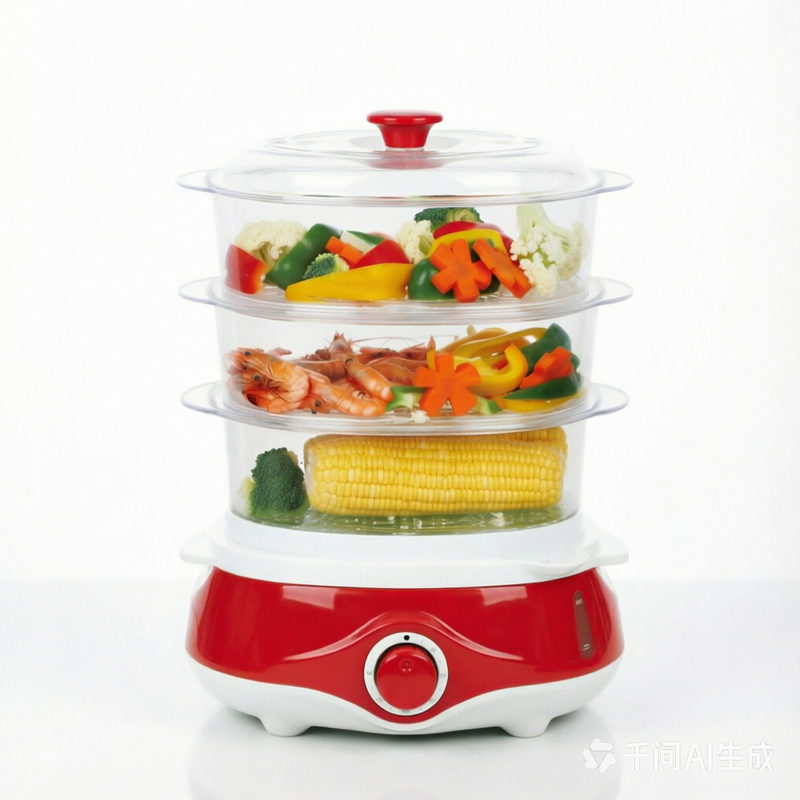
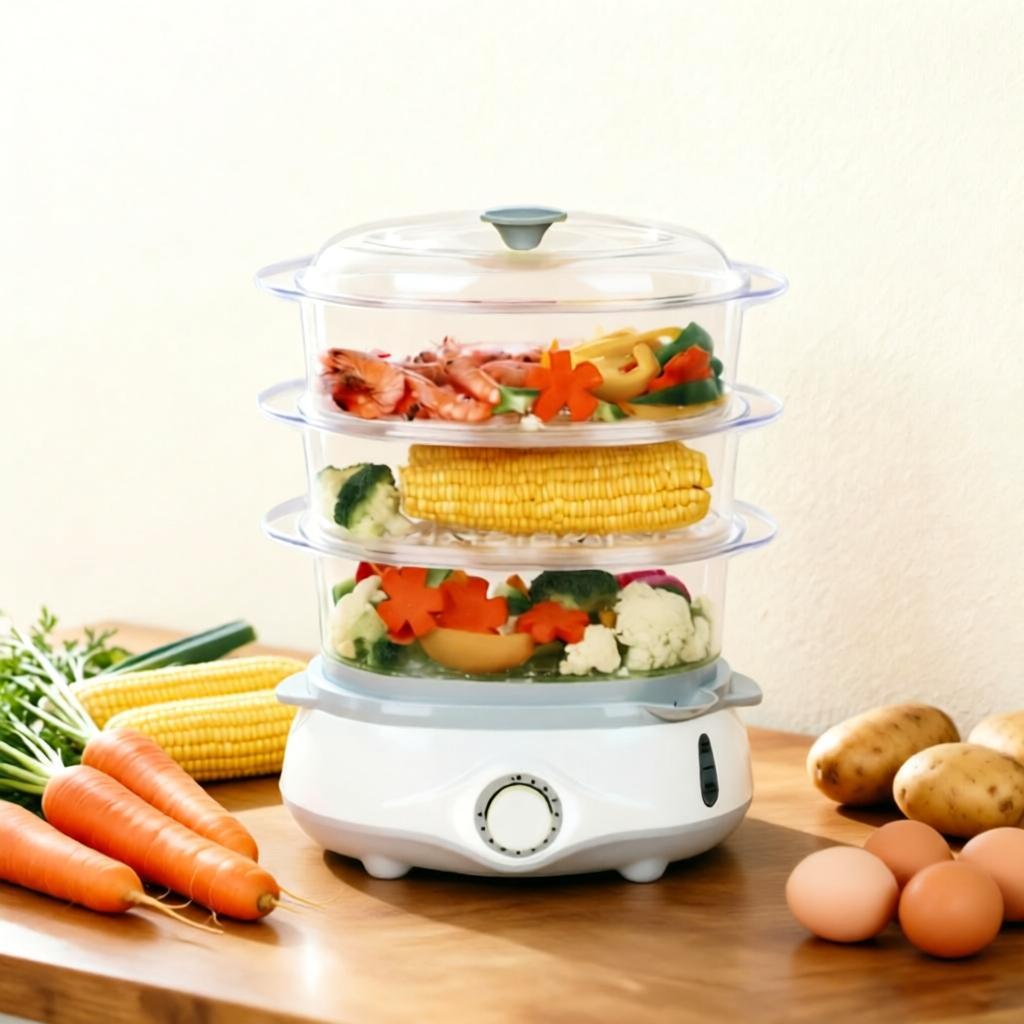
If your household regularly cooks for three or more people, a large three-tier steamer lets you cook an entire meal at once — vegetables in the top tier, rice in the middle, and fish or dumplings in the bottom tier. That is where the Kangye KYS-303A 3-Tier Electric Food Steamer (11L) shines: its three transparent compartments and 11-liter capacity are built for family-scale cooking, while the 60-minute timer with auto shut-off keeps everything hands-free.
Kangye KYS-303A — 3-Tier Electric Food Steamer, 11L
Large 11L capacity across three transparent tiers; 60-minute timer with auto shut-off; food-grade materials; ideal for family-sized healthy meals and meal prep.
View KYS-303A Details
Power and Steam Generation: What Wattage Do You Really Need?
Power output determines how quickly your steamer produces steam and how fast food cooks. Home electric steam cookers generally range from 600W to 1,500W. A higher wattage means faster steam generation — useful for busy weeknights when you want dinner on the table quickly. Lower wattage units are quieter and more energy-efficient for small households.
Look for a model that reaches a steady steam within three to five minutes. Rapid steam not only saves time but also helps lock in nutrients and flavor, especially for delicate foods like fish and leafy greens. For most home kitchens, a steamer in the 800–1,200W range offers the best balance of speed, efficiency, and running cost.
Materials and Food Safety: What Your Steamer Is Made Of
Because steam cooking uses high temperatures and moisture, the materials that touch your food matter. Food-grade plastic (BPA-free PP) is common and safe in most home steamers, but food-grade stainless steel remains the most durable and easy-to-clean option for steaming compartments, trays, and water tanks.
- BPA-free materials: Verify the steamer is explicitly BPA-free, especially if you cook for children.
- Food-grade stainless steel: Preferred for trays and compartments — scratch-resistant, odor-free, and dishwasher-friendly.
- Transparent lids: Let you monitor cooking without lifting the lid and losing steam.
- Safe water tank design: Removable, easy-to-clean tanks help prevent mineral buildup and bacterial growth.
Certifications such as CE, RoHS, and LFGB (German food-contact standard) provide independent assurance that materials meet recognized safety requirements. When sourcing from a manufacturer, always ask for these compliance documents.
Essential Features Every Home Steamer Should Have
Modern electric steam cookers include features that make healthy cooking genuinely effortless. Before you buy, check for these practical capabilities:
- 60-minute timer: Set it and walk away — the steamer handles the rest.
- Auto shut-off: Shuts down when the timer ends or water runs low, for peace of mind and safety.
- Auto keep-warm: Keeps food at serving temperature after cooking, perfect for staggered family meals.
- Water-level window & external refill: Refill mid-cook without lifting hot tiers.
- Boil-dry protection: Prevents heating with an empty tank.
- Steam tray & egg holders: Expand what you can cook — from rice bowls to perfectly steamed eggs.
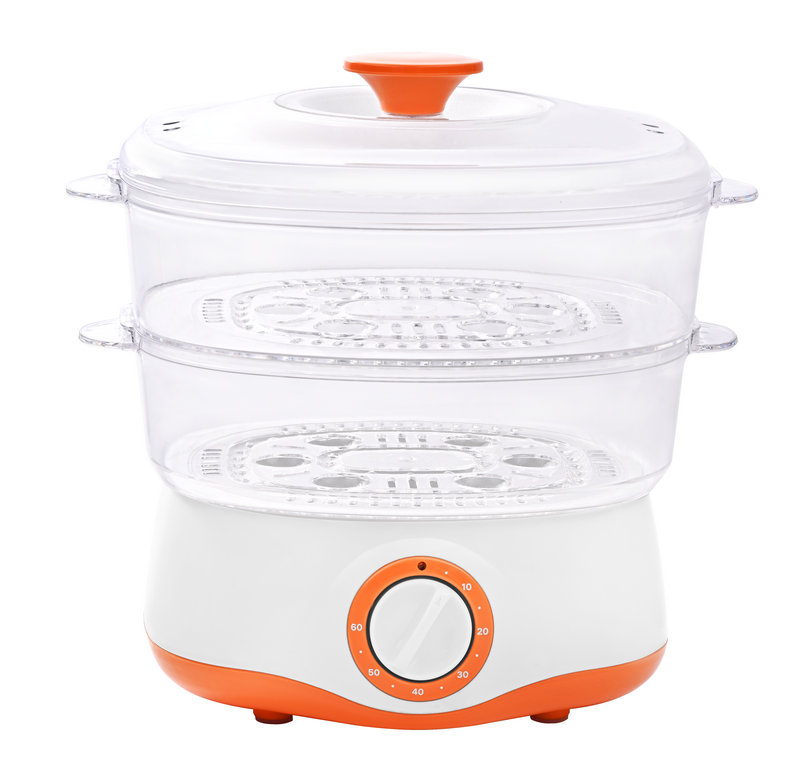
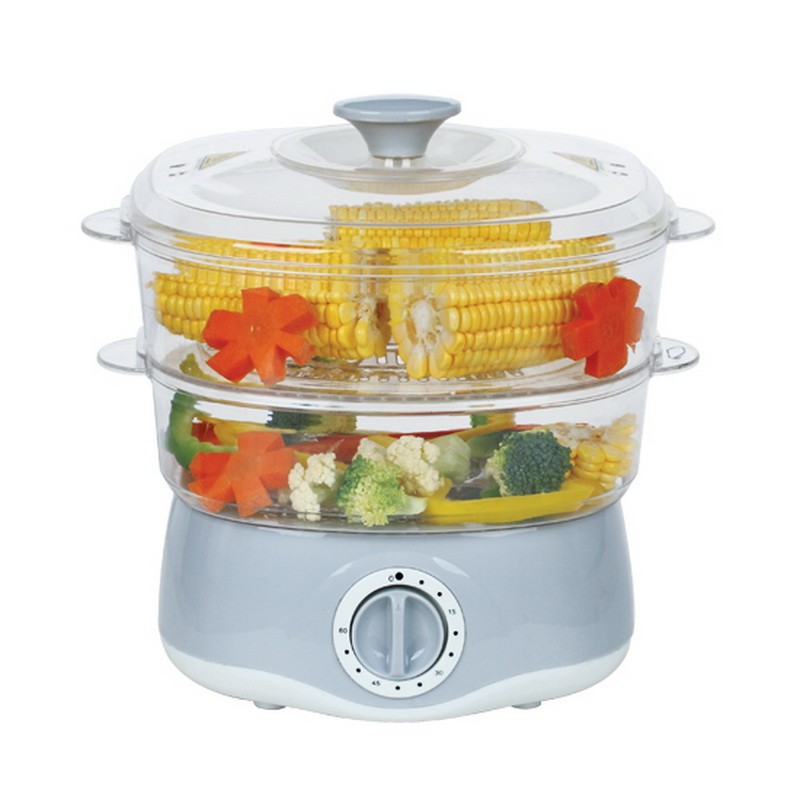
For compact kitchens and smaller households, the Kangye KYS-302 2-Tier Mini Electric Steamer (4L) is designed around exactly these essentials: a space-saving 4-liter footprint, a 60-minute timer with auto shut-off, and energy-efficient operation that keeps healthy cooking practical even in tight spaces.
Kangye KYS-302 — 2-Tier Mini Electric Steamer, 4L
Compact 4L two-tier design for 1–2 person households; 60-minute timer with auto shut-off; energy-efficient; perfect for apartments, dorms, and small kitchens.
View KYS-302 Details
Electric Steam Cooker vs Stovetop Steaming vs Microwave
Many home cooks wonder whether they need a dedicated electric steamer at all. Here is a practical comparison:
| Factor |
Electric Steamer |
Stovetop Steaming |
Microwave |
| Ease of use |
Set timer, walk away |
Needs constant attention |
Quick but easy to overcook |
| Nutrient retention |
Excellent — gentle, moist heat |
Good — but water level must be watched |
Varies — can dry out food |
| Multi-dish cooking |
Yes — stacked tiers cook together |
Limited by pot size |
No — one dish at a time |
| Safety |
Auto shut-off, no open flame |
Open flame/heat hazard |
Heated food containers risk |
For families that value healthy, hands-free cooking, a dedicated electric steamer is a small appliance that earns its countertop space — especially when paired with meal prepping routines.
Cleaning and Maintenance Tips for a Longer-Lasting Steamer
Good maintenance keeps your steamer hygienic and extends its life:
- Wash after each use: Rinse tiers, trays, and the water tank in warm soapy water; most parts are dishwasher-safe.
- Descale regularly: Use a vinegar-water solution every 4–6 weeks to remove mineral deposits, especially in hard-water areas.
- Dry thoroughly: Wipe the heating base dry before storing to prevent rust and odor.
- Check the water level: Avoid running the steamer empty — it protects the heating element.
- Store properly: Stack tiers upside down with the lid ajar so moisture can escape.
Frequently Asked Questions About Electric Steam Cookers
Can I cook different foods at the same time without flavors mixing?
Yes. Stacked tiers keep foods separate during steaming. Strongly flavored items like fish can be placed in the bottom tier, while mild items like rice stay in the top.
How long do electric steam cookers last?
With regular descaling and proper care, a quality home electric steamer typically lasts 5–8 years. Choose models with removable, washable parts for easier long-term maintenance.
Are electric steam cookers energy-efficient?
Yes. Steam cookers are among the most energy-efficient cooking appliances — they heat only the water needed and typically use far less energy than a conventional oven.
Can an electric steamer replace a rice cooker?
For many households, yes. Most steamers include a rice bowl and can cook rice perfectly while steaming other dishes above — effectively doing the job of both appliances at once.
Choose a Steamer That Fits Your Home
Buying an electric steam cooker starts with your household size, moves through capacity, power, materials, and features, and ends with a model that fits your budget and cooking style. For larger families, the Kangye KYS-303A (11L) delivers family-scale capacity in a three-tier design. For singles, couples, and small kitchens, the Kangye KYS-302 (4L) offers the same essential features in a compact footprint. Both models are backed by Kangye's manufacturing expertise and are available for OEM/ODM customization for brands and distributors worldwide. Browse Kangye's full product range or contact our team to learn more.