Gas BBQ Grill vs Electric Grill: Which One Is Right for Your Customers?
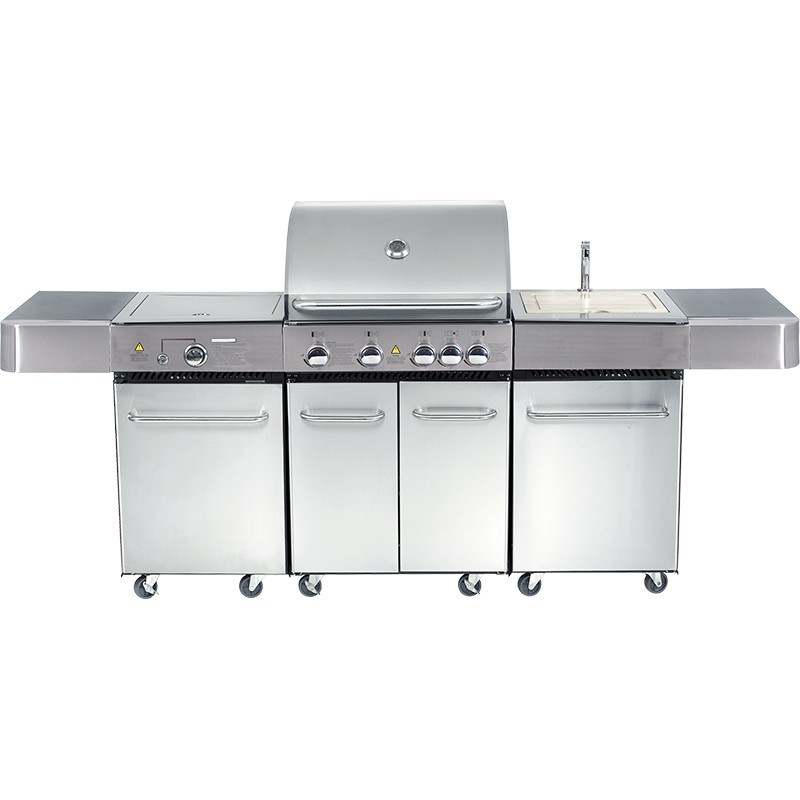
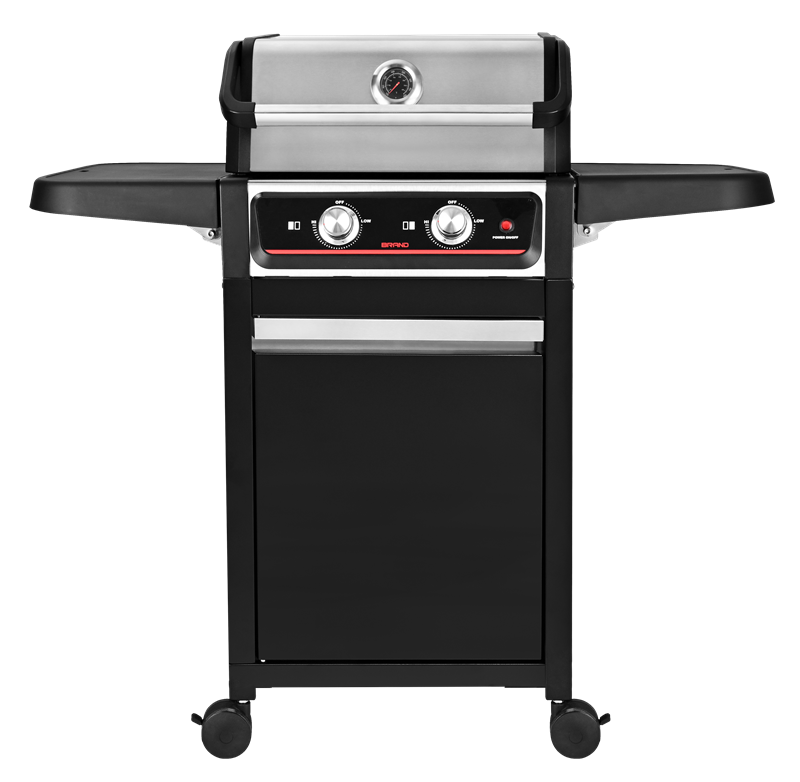
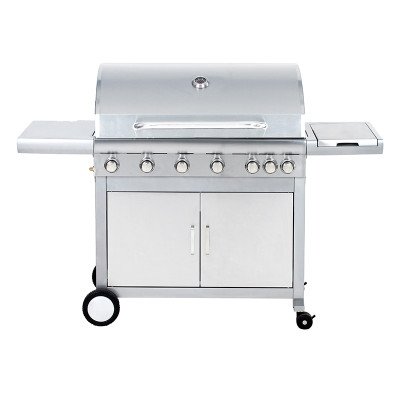
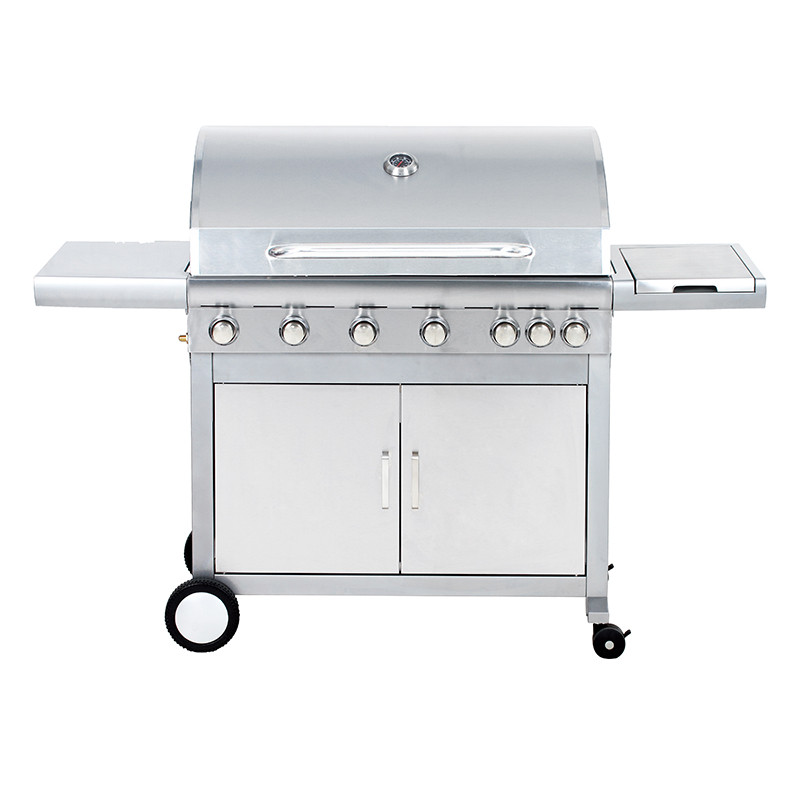
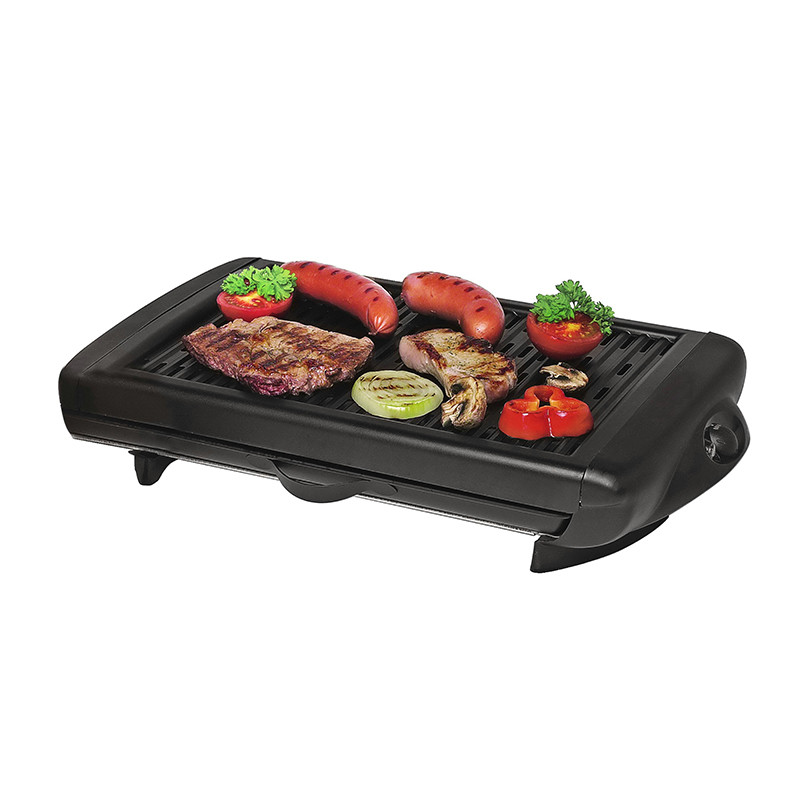
Choosing between a gas BBQ grill and an electric grill is one of the most common dilemmas for outdoor cooking enthusiasts. Both types have passionate advocates, and both offer distinct advantages depending on your cooking style, living situation, and budget. Gas grills deliver the classic smoky flavor and high heat output that barbecue purists love, while electric grills offer convenience, precise temperature control, and the ability to cook in spaces where open flames are prohibited. This comprehensive guide breaks down every aspect of the gas versus electric debate — from flavor and performance to cost and safety — so you can confidently recommend the right grill for your customers. The most significant difference between gas and electric grills comes down to flavor. Gas grills use an open flame from propane or natural gas, which vaporizes drippings and creates smoke that infuses food with that classic BBQ taste. This is the closest you can get to charcoal flavor without the mess. Gas grills can reach high temperatures quickly, typically up to 500-600°F, making them excellent for searing steaks and achieving Maillard browning. Electric grills, on the other hand, use a heating element and produce no open flame. They cook more evenly and consistently, but traditionally lack the smoky flavor. For wholesale buyers and OEM partners, offering both gas and electric options ensures you cover the full spectrum of customer preferences. Gas grills generally produce higher maximum heat — up to 600°F or more — which is ideal for searing and high-temperature cooking. However, temperature control on gas grills is less precise because the thermostat measures air temperature above the cooking surface. Electric grills offer superior temperature stability with digital controls that allow you to set and hold exact temperatures with minimal fluctuation. Some advanced electric models can reach up to 700°F with precise monitoring. Gas grills may have hot and cold spots due to uneven flame distribution, while electric grills typically heat more uniformly across the entire cooking surface. When comparing total cost of ownership, the numbers tell a clear story. Entry-level electric grills start around $50-100, while basic gas grills begin at $150-300. A high-quality gas grill with multiple burners can cost $500-1,500 or more. For operating costs, electric grills are significantly cheaper: running a typical 1,500W electric grill for an hour costs about $0.26 in electricity. Gas grills burn through propane at roughly $1.25-1.40 per hour based on a $25 tank refill lasting 18-20 hours. For customers who grill 2-3 times per week, the annual savings with electric can be substantial. This is often the deciding factor for renters and condo owners. Many apartment buildings, condo associations, and local fire codes prohibit open-flame cooking devices — including gas and charcoal grills — on balconies or within a certain distance of buildings. Electric grills produce no open flame and are almost universally permitted in these situations. For customers living in multi-family dwellings, electric is often their only legal option. Gas grills are best suited for single-family homes with dedicated outdoor space. Electric grills win on maintenance. Most have removable, dishwasher-safe cooking plates. There are no burner tubes, gas lines, or propane tanks to check and replace. Gas grills require more upkeep: cleaning grease traps, replacing igniters, checking hoses and connections for leaks, and managing propane tank levels. For OEM customers targeting first-time grill buyers or convenience-oriented consumers, electric grills represent an easier entry point into outdoor cooking. Electric grills are generally considered more environmentally friendly because they produce no direct emissions at the point of use. If powered by renewable energy sources, their carbon footprint can be minimal. Gas grills burn propane or natural gas, releasing CO₂ and other combustion byproducts. For environmentally conscious brands and consumers, electric grills align better with sustainability goals. Portable gas grills offer more flexibility because they do not require a power outlet. They can be used at parks, campgrounds, tailgate parties, and anywhere propane tanks are permitted. Electric grills need a nearby electrical outlet. However, for patio, balcony, and indoor use, electric grills are more practical. Kangye offers both gas and electric grill OEM/ODM solutions with custom branding and packaging. For backyard entertainers who prioritize authentic smoky flavor and high heat — a gas grill is the right choice. For apartment dwellers, condo owners, and convenience seekers who value simplicity and precise temperature control — an electric grill is the better option. Commercial buyers should consider their target market demographics: gas grills appeal to traditional BBQ enthusiasts, while electric grills attract health-conscious urban consumers. There is no universal winner in the gas vs electric grill debate — the best choice depends entirely on the customer's lifestyle, living situation, and cooking preferences. As a buyer or distributor, stocking both options ensures you capture maximum market share. Kangye Electric Appliance is a trusted OEM/ODM partner for gas BBQ grills, electric grills, and gas pizza ovens. Contact our sales team to discuss wholesale pricing and custom specifications.Introduction: The Great Grill Debate
Flavor and Cooking Performance: Does Gas Really Taste Better?
Heat Output and Temperature Control: Precision vs Power
Cost Analysis: Upfront Price vs Ongoing Operating Costs
Safety and Legal Restrictions: Where Can You Use Each Grill?
Maintenance and Cleaning: Which Grill Is Easier to Maintain?
Environmental Impact: Carbon Footprint Comparison
Portability: Grilling on the Go
Making the Right Choice: A Decision Framework for Buyers
Conclusion: Your Customers, Your Choice