Gas Pizza Oven Buying Guide: What to Look for When Sourcing from China
Introduction: Why Source Gas Pizza Ovens from China?
The global outdoor pizza oven market reached $502 million in 2025 and is projected to grow at 11.4% CAGR to $1.07 billion by 2032. Gas-powered models lead with 42.8% market share, driven by convenience, consistent performance, and faster heat-up times compared to wood-fired alternatives. China, particularly the Guangdong province and the Shunde region, has become the world's primary manufacturing hub for gas pizza ovens, offering mature supply chains for stainless steel fabrication, burner systems, insulation materials, and export packaging. For importers, distributors, and brand owners, sourcing from China provides competitive pricing, flexible OEM/ODM options, and access to advanced manufacturing capabilities. However, choosing the right supplier requires careful evaluation of technical specifications, quality control, certifications, and long-term partnership potential.
Key Specifications: What to Look for in a Gas Pizza Oven
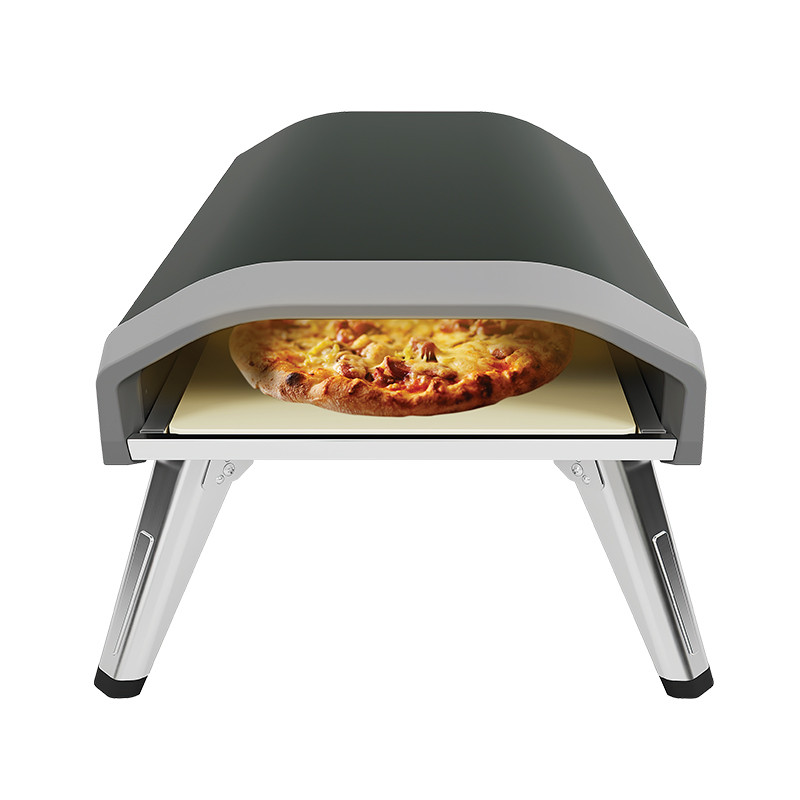
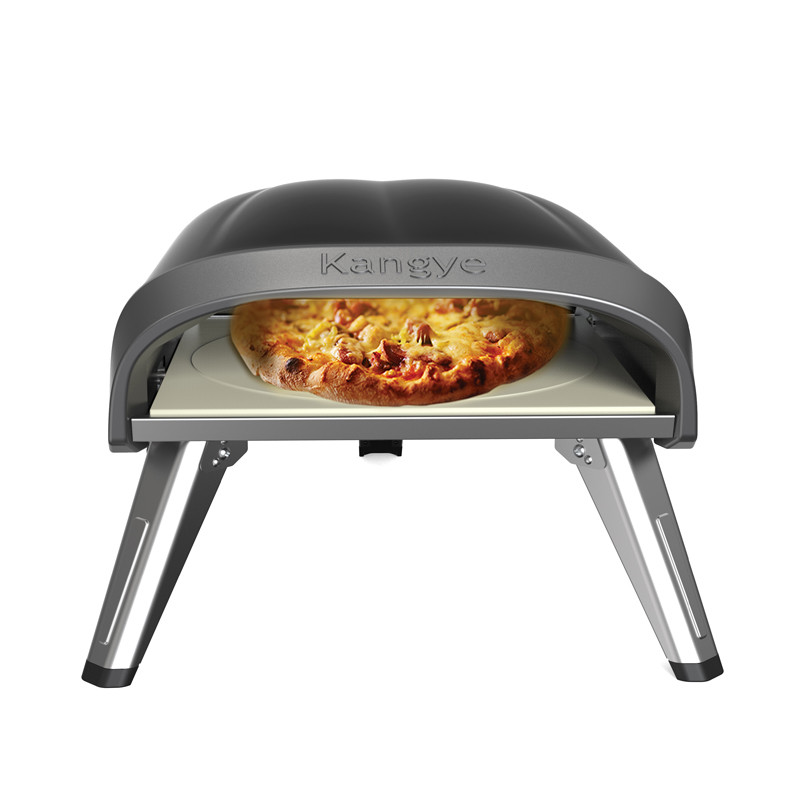
Before approaching suppliers, define your target market requirements. Key specifications include fuel type (propane/LPG or natural gas), power output (typically 3-5kW for residential, 5-10kW for commercial), cooking temperature range (ideally reaching 400-500°C for authentic Neapolitan pizza), pizza stone size (12-inch/335mm is standard), and oven dimensions for shipping and retail display. Build quality indicators include housing material (stainless steel grades 304, 430, or powder-coated steel), insulation type (ceramic fiber blanket, mineral wool, or air gap), and burner material (stainless steel SUS443 or brass). Kangye's KPS12A gas pizza oven delivers 4kW power, reaches 400°C in 15 minutes, and includes a 335x335mm cordierite pizza stone with SUS443 stainless steel burner — specifications that meet both residential and light commercial requirements.
Certifications: Non-Negotiable for Export Markets
Gas appliances require rigorous safety certifications that vary by target market. For Europe, CE marking is mandatory, covering gas appliance directive (GAR) compliance, along with LFGB for food-contact materials. For North America, ETL or CSA certification is required — these cover gas safety, electrical safety, and burner performance. Australia requires AGA certification. Additional certifications that add buyer confidence include ISO 9001 (quality management), ISO 14001 (environmental management), and BSCI (social compliance). Kangye's gas pizza ovens are manufactured in ISO-certified facilities with CE and RoHS compliance as standard. Before signing any supply agreement, request copies of current certifications and verify they cover your target export markets.
Burner Technology and Heating Performance
The burner is the heart of a gas pizza oven. Key performance metrics include BTUs or kW rating, preheat time (ideally under 20 minutes to reach cooking temperature), maximum temperature, and temperature consistency across the cooking surface. Single-burner designs are common for residential ovens, while dual-burner or ring-burner designs offer better heat distribution for larger ovens. Piezo ignition is the standard for reliability without batteries, while electronic ignition offers push-button convenience. Kangye's KPS12A features a heavy-duty SUS443 stainless steel burner rated at 4kW with piezo push-button ignition, preheating to 400°C in just 15 minutes and baking a 12-inch pizza in 80 seconds.
Pizza Stone Quality: Cordierite vs Ceramic vs Steel
The cooking surface directly affects pizza quality. Cordierite is the preferred material for gas pizza ovens due to its thermal shock resistance — it can withstand rapid temperature changes without cracking. Ceramic stones offer similar performance but are more brittle. Steel plates heat faster and create superior bottom crust browning but do not absorb moisture as effectively. Stone dimensions (typically 12x12 inches or 335x335mm) and thickness (10-15mm) affect heat retention. Kangye's KPS12A includes a 335x335x10mm cordierite pizza stone that distributes heat evenly for that authentic crispy crust. When sourcing, request information about stone material sourcing and breakage rates during shipping.
OEM/ODM Capabilities: Custom Branding and Design Flexibility
For brands entering the pizza oven market, OEM/ODM capabilities are critical. Evaluate suppliers on their ability to customize colors, logo placement (laser engraving, silk screen, or embossed badges), packaging design (retail-ready vs bulk), and specification modifications (different gas types, voltage requirements, accessory bundling). Kangye offers full OEM/ODM services including custom branding, packaging design, color options, and specification adjustments. Our design team can help adapt the KPS12A platform to your brand requirements. Minimum order quantities are flexible, starting from trial orders for market testing. When comparing suppliers, ask about their design lead times, mold development costs, and minimum order requirements for custom specifications.
Quality Control: What Inspections Matter
Gas appliance quality directly impacts user safety. Essential QC checkpoints include gas leakage testing (every unit should be pressure-tested before packing), burner flame pattern verification, ignition reliability testing (minimum 50 consecutive successful ignitions), temperature calibration against the built-in thermometer, and packaging drop testing. Kangye subjects every KPS12A gas pizza oven to individual gas leak testing, ignition verification, and temperature accuracy checks before packing. For bulk orders, third-party inspection services (SGS, Bureau Veritas, TÜV) can provide independent quality verification before shipment. Include QC requirements and inspection rights in your supply agreement.
MOQ, Lead Times, and Shipping Considerations
Minimum order quantities for gas pizza ovens typically range from 200-1,000 units per model depending on complexity. Lead times average 30-60 days from order confirmation, with peak seasons (Q2-Q3) requiring longer lead times. Shipping is typically by sea container (20GP holds approximately 328 units, 40GP holds 688 units, 40HQ holds 857 units of the KPS12A). Freight costs have normalized post-pandemic but remain a significant factor, especially for heavier gas appliances. Kangye offers competitive FOB Shunde pricing with professional export packing. Factor in destination port handling, customs clearance, and inland transportation when calculating total landed cost.
After-Sales Support and Warranty
Warranty terms vary significantly among Chinese manufacturers. Standard warranties range from 1-3 years, with longer warranties indicating higher confidence in product quality. Evaluate the manufacturer's spare parts availability, technical documentation quality (installation manuals, user guides in target market languages), and responsiveness to after-sales inquiries. Kangye provides comprehensive technical documentation, spare parts support, and dedicated account management for all OEM partners. We also offer extended warranty options and training programs for distributor service teams.
Conclusion: Finding the Right Partner
Sourcing gas pizza ovens from China offers significant advantages in pricing, customization, and manufacturing capability — but success depends on choosing the right partner. Evaluate suppliers on technical specifications, certifications, quality control processes, OEM flexibility, and after-sales support. Kangye Electric Appliance, based in Shunde, Guangdong, combines decades of manufacturing expertise with modern production facilities and a commitment to quality. Contact our sales team to discuss your gas pizza oven requirements, request samples, or explore OEM partnership opportunities.