Gas Pizza Oven Design Deep Dive: Burner Types, Stone Materials & Heat Distribution
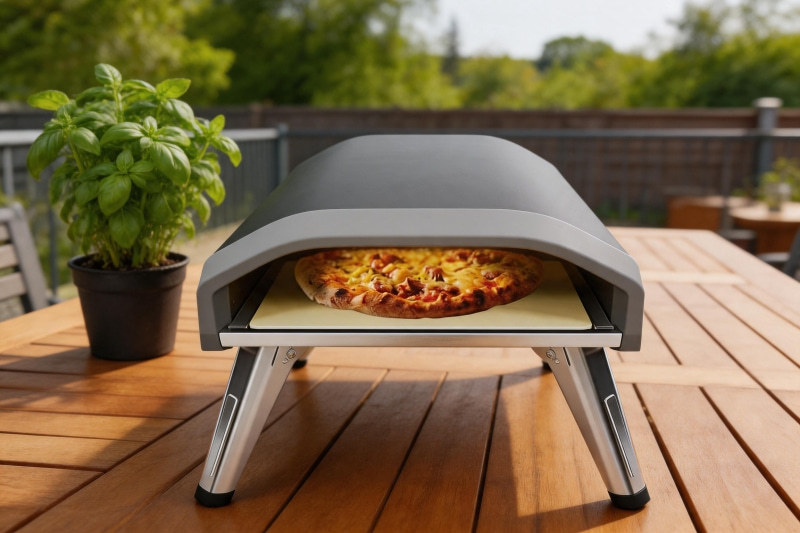
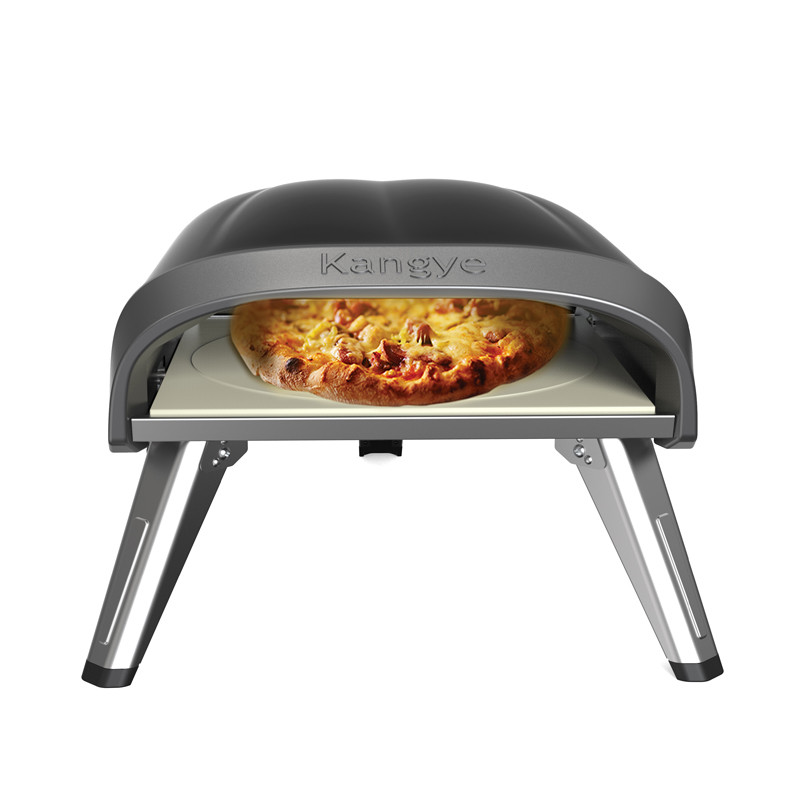
Gas pizza ovens have surged in popularity as outdoor kitchens evolve from simple grilling stations into comprehensive cooking ecosystems. Unlike conventional kitchen ovens that max out at 500°F, a gas pizza oven can reach 800-950°F in under 20 minutes — the critical temperature range for producing authentic Neapolitan-style pizza with a charred crust and tender crumb. This technical article examines the engineering principles behind gas pizza oven design, including burner types, refractory materials, heat distribution, and insulation systems. Gas pizza ovens are powered by either propane (LP) or natural gas (NG) burner systems. Propane burners operate at higher pressure (11-inch water column) and require smaller orifice diameters because propane contains more energy per cubic foot. Natural gas burners operate at lower pressure (7-inch water column) with larger orifices. Most gas pizza ovens come with dual-fuel capability. Burner designs include tube burners, which distribute gas through a perforated tube, and ring burners, which create a circular flame pattern. Kangye KPS12A uses a heavy-duty SUS443 stainless steel burner with piezo ignition rated at 4kW. Cordierite is the industry standard for gas pizza ovens due to its exceptional thermal shock resistance and uniform heat distribution. It absorbs and retains heat efficiently, creating the ideal surface for crispy crusts. Ceramic stones offer similar performance but are more prone to cracking. Steel plates heat up faster and achieve superior bottom crust browning but do not absorb moisture as effectively. Kangye KPS12A includes a 335x335mm cordierite pizza stone that distributes heat evenly across the baking surface. The shape of the oven dome plays a crucial role in heat distribution. A well-designed dome creates a heat-reflecting environment where thermal radiation from the ceiling radiates back onto the pizza surface. Kangye gas pizza oven features a polished stainless steel inner housing that reflects heat efficiently, ensuring consistent top-to-bottom cooking with an integrated thermometer for real-time temperature monitoring. Multi-layer insulation combines ceramic fiber blanket, mineral wool, and air gaps to minimize heat loss. The insulation must withstand 500-700°F while keeping the outer surface cool. Kangye gas pizza oven uses commercial-grade insulation with a stainless steel outer housing that remains touch-safe during operation, also improving fuel efficiency. Piezo ignition is most common — it generates a spark through mechanical pressure without batteries. Electronic ignition uses a battery-powered spark module for push-button starting. Smart ignition systems integrate with Wi-Fi for smartphone activation. Kangye KPS12A comes with reliable piezo ignition integrated into the gas control valve. Temperature control balances gas flow regulation and thermal mass management. The thermal mass of the pizza stone and dome means the oven responds slowly to valve adjustments. Kangye gas pizza oven includes a graduated gas control valve with marked settings and an integrated dome thermometer for real-time feedback. The KPS12A features baking capacity for one 12-inch pizza with continuous operation capability. SUS443 stainless steel, used in Kangye KPS12A, offers superior corrosion resistance compared to standard 430 stainless, ideal for coastal environments. Folding legs with non-slip pads provide stability on uneven surfaces. The burner assembly is protected from wind by the housing design. Kangye offers extensive OEM/ODM capabilities including custom color finishes, logo branding, custom packaging, and accessory bundling. Technical specifications can be adjusted for different gas types, voltage configurations, and certification packages. Contact our OEM team to discuss your requirements. Gas pizza oven design involves the careful integration of burner technology, thermal management, material science, and user interface engineering. Kangye brings decades of manufacturing expertise to every oven we produce. Whether for private label or wholesale distribution, Kangye delivers factory-direct quality with full customization support.Introduction: The Engineering Behind Restaurant-Quality Pizza at Home
Burner Technologies: Propane vs Natural Gas Systems
Pizza Stone Materials: Cordierite vs Ceramic vs Steel
Heat Distribution Systems: Dome Design and Airflow
Insulation Systems: Keeping Heat Where It Belongs
Ignition Systems: Piezo vs Electronic vs Smart Ignition
Temperature Control: Regulating Heat for Perfect Pizza
Outdoor Durability: Weather Resistance and Materials
OEM Design Flexibility: What Can Be Customized
Conclusion: Engineering Quality from Shunde to the World