How Much Does Injection Mold Tooling Cost for Kitchen Appliances? Ownership Rules Explained
How Much Does Injection Mold Tooling Cost for Kitchen Appliances? Ownership Rules Explained
Quick Answer
For kitchen appliances, a prototype injection mold typically costs US$2,000–8,000, a small-part production mold US$15,000–45,000, a medium-part housing mold US$20,000–60,000, and a large or overmolded production tool US$40,000–120,000+ (GM MoldTech, 2026). Ownership is decided by contract, not by payment: if your written tooling agreement does not explicitly assign the mold to you, the factory that physically holds it is usually treated as the owner under Chinese commercial practice (GTsetu, 2026). Paying for a mold is not the same as owning it.
Tooling is the single largest capital item in an OEM kitchen appliance program, and it is also where the most expensive misunderstandings happen. A buyer who budgets only for the quotation often discovers late that sampling runs, mold maintenance, import duties, and a poorly worded ownership clause can add tens of thousands of dollars — or put the tool itself out of reach. This guide gives the 2026 cost benchmarks by mold type, explains what actually moves the price, and sets out the ownership rules that decide whether you can move your tool to another factory.
2026 Cost Benchmarks: What Each Mold Type Actually Costs
Injection mold pricing scales with part size, cavity count, steel grade, and mechanism complexity. The table below consolidates the 2026 ranges for home-appliance tooling built in China, cross-checked against Kangye Electric’s own tooling quotations and the 2026 GM MoldTech manufacturing guide.
| Mold Type | Typical Cost (China, 2026) | Lead Time | Shot Lifetime | Typical Appliance Parts |
|---|---|---|---|---|
| Prototype mold (aluminum / soft steel) | US$2,000–8,000 | 2–4 weeks | 5,000–50,000 shots | Design validation, fit testing |
| Small-part production mold (8–16 cavities) | US$15,000–45,000 | 4–6 weeks | 500,000+ shots | Knobs, buttons, fan blades, small frames |
| Medium-part production mold (2–4 cavities) | US$20,000–60,000 | 5–7 weeks | 500,000+ shots | Housings, bases, lids |
| Large / overmold production mold (1–2 cavities) | US$30,000–100,000+ | 7–10 weeks | 300,000–1,000,000 shots | Large bodies, two-shot cosmetic parts |
Sources: GM MoldTech Home Appliance Injection Molding Guide (2026); ranges consistent with Sourcing Pioneer’s 2026 China tooling survey, which puts precision multi-cavity hardened tooling at US$12,000–45,000+ and total project tooling above US$45,000 for complex programs.
What Actually Drives the Price Up or Down
Two quotes for the same CAD file can differ by a factor of ten because molders price steel, mechanisms, and finish — not the part’s look. The 2026 pricing data points to five levers:
| Cost Lever | Effect on Tooling Price (2026) | Source |
|---|---|---|
| Steel grade | P20 pre-hardened steel tools run roughly US$8,000–15,000; H13 hardened tools US$20,000–40,000; stainless cavities add 30–50% | JS Precision, 2026 |
| Cavity count | Multi-cavity tools cut per-part cost by up to 60% but raise tool price; 8+ cavity tools start above US$50,000 | JS Precision, 2026 |
| Side actions (slides, lifters) | Each undercut mechanism adds about US$1,000–3,000 and lengthens the cycle | FromRubber, 2026 |
| Surface finish and tolerance | SPI-B semi-gloss adds 15–20%; SPI-A mirror polish adds 40–60%; moving from ±0.1 mm to ±0.05 mm adds about 25% | JS Precision, 2026 |
| Abrasive resins | Glass-filled or flame-retardant resins require hardened or plated cavities, pushing toward H13/S136 steel | GM MoldTech, 2026 |
For kitchen appliances specifically, expect the food-contact and cosmetic parts to carry the premium: housing panels with uniform panel gaps and high-gloss finishes typically land in the SPI-B to SPI-A band, while internal brackets and trays can stay on textured SPI-C tooling. Budget also for what sits outside the quote — first-article sampling (2–3 runs is typical), color matching and material qualification, checking fixtures, freight and import duties on the tool itself, and an annual maintenance agreement with spare inserts (GM MoldTech, 2026). A realistic working number is to add 10–15% on top of the tooling quotation for these items in year one.
China vs Western Tooling: The 2026 Price Gap
Chinese appliance tooling typically saves 30–70% over equivalent European or North American tooling, with the widest advantage on multi-cavity and overmolded tools (GM MoldTech, 2026; Sourcing Pioneer, 2026). Independent RFQ comparisons cited in 2023–2024 put a medium-complexity single-cavity home-appliance mold at roughly US$8,000–20,000 in China versus US$20,000–50,000 for US-built tooling — a 2–2.8x gap that survives logistics and duties. Hourly molding rates tell the same story: 80–120T machines run about US$60–120 per hour in China versus US$200–400 in the US or EU (FromRubber, 2026).
The gap narrows if you skip verification. Sourcing Pioneer’s 2026 guide notes the savings hold only when buyers run strict DFM reviews and check mill steel certificates — steel grade substitution is the most common way a cheap quote becomes an expensive mold. Ask which steel is quoted (P20, 718H, H13, S136, NAK80), request the mill certificate, and confirm the shot-life warranty in writing.
Who Owns the Mold? The Rules That Decide
Mold ownership is the single most important clause in an OEM contract, and the default rule works against silent buyers. In most jurisdictions, tooling physically held by a contract manufacturer is treated as the manufacturer’s property by default, regardless of who paid for it, unless a written agreement explicitly assigns ownership to the brand (GTsetu, 2026). Under Chinese commercial practice, physical possession is a strong ownership indicator, and only an explicit Tooling Ownership & Bailment Agreement reliably transfers the asset (Sourcing Pioneer, 2026).
| Model | Who Pays | Default Owner | Practical Consequence |
|---|---|---|---|
| OEM (buyer’s design) | Buyer | Buyer, if the contract says so | Tool can be moved to another molder; piece price excludes tooling amortization |
| ODM (factory’s open design) | Factory | Factory | Lower upfront cost, but design and tool stay if you leave; the same product can be sold to competitors without an exclusivity clause |
| Hybrid (factory-designed, buyer-paid tool) | Buyer | Buyer, if the contract says so | Common when buyers want engineering help but insist on portability |
Source: LSY Plastic OEM vs ODM Injection Molding Guide (2026); Silk Way Sourcing OEM/ODM Guide (2026).
What happens without the clause is well documented in 2026 sourcing guides. Buyers report being asked for a 15–30% surcharge on tooling cost just for the right to move “their” mold to another factory, or having the tool held during a commercial dispute until production stalls (Silk Way Sourcing, 2026). GTsetu’s 2026 review estimates that the majority of manufacturing contracts still lack explicit tooling clauses, with typical tooling investments at risk in the tens of thousands of dollars per program.
The Clauses Your Tooling Agreement Must Contain
Consolidating the 2026 guidance from Sourcing Pioneer, Silk Way Sourcing, and LSY Plastic, a defensible tooling package includes:
- Ownership transfer on payment: title passes to the buyer the moment the tooling invoice is paid in full.
- Non-use restriction: the mold may not run products for any third party — this is what actually prevents clones, not the deed itself.
- Asset schedule: list the mold, 2D/3D drawings, cavity maps, maintenance logs, and approved process parameters as buyer property.
- Release terms: the factory must ship the tool within a fixed window (15 working days is a common term) on written request, with no repurchase fee.
- Physical marking: the buyer’s company name and tool ID stamped on the mold so possession disputes are visible on the factory floor.
- NNN agreement and design registration: a China-enforceable Non-Disclosure, Non-Use, Non-Circumvention agreement, plus design patents registered directly with CNIPA before CAD files are shared (Sourcing Pioneer, 2026).
Amortization: Why Ownership Changes Your Unit Economics
Ownership also changes how you pay. In a buyer-owned OEM structure, tooling is billed separately and the piece price excludes amortization, so your landed cost is transparent and portable. In a factory-owned structure, tooling is folded into the piece price, which looks cheaper on day one but locks the economics to that factory — and if you leave, you effectively buy the tool a second time. For a typical program running 50,000 units per year, a US$40,000 mold spread across production adds roughly US$0.80 per unit in year one, or about US$0.16 per unit over a five-year tool life — numbers that make the ownership conversation easier to have internally (FromRubber, 2026 cost framework, 2026).
Working With a Manufacturer That Runs Its Own Tooling Workshop
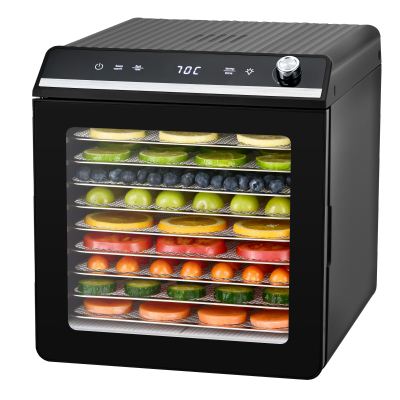
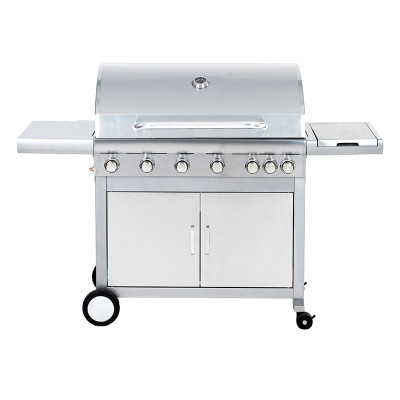
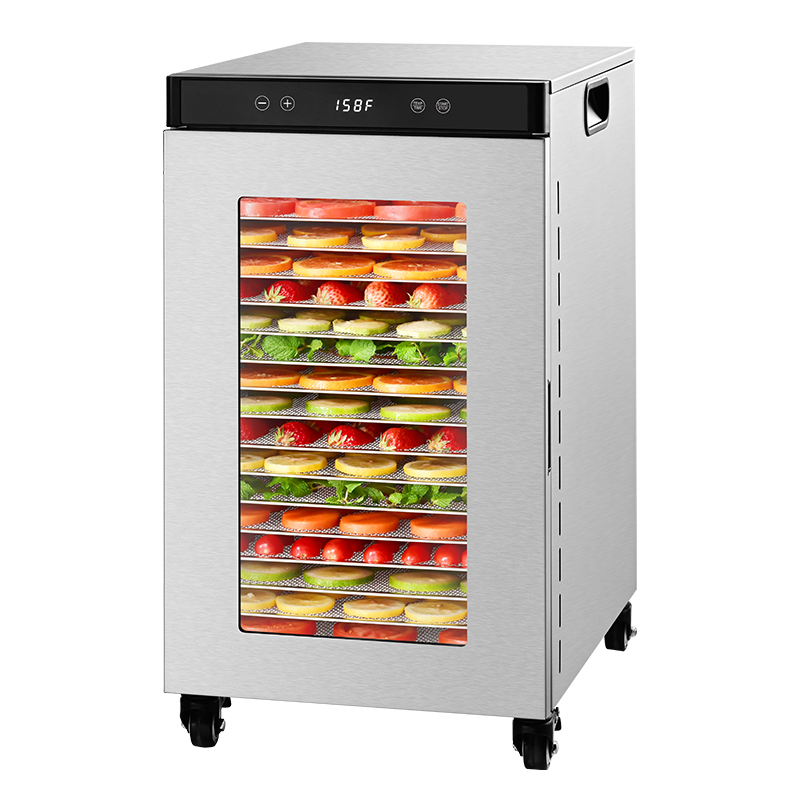
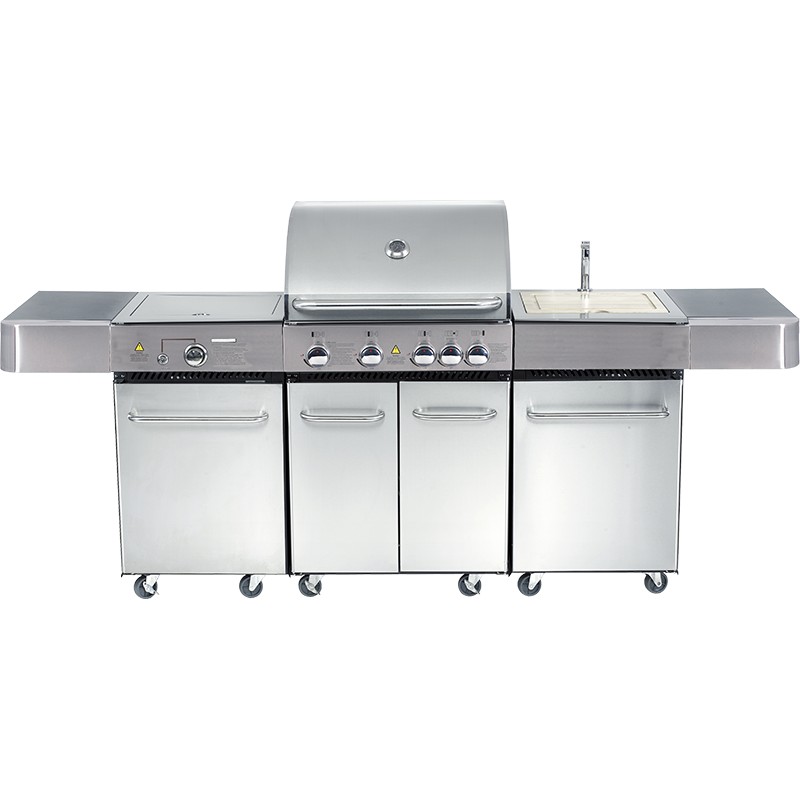
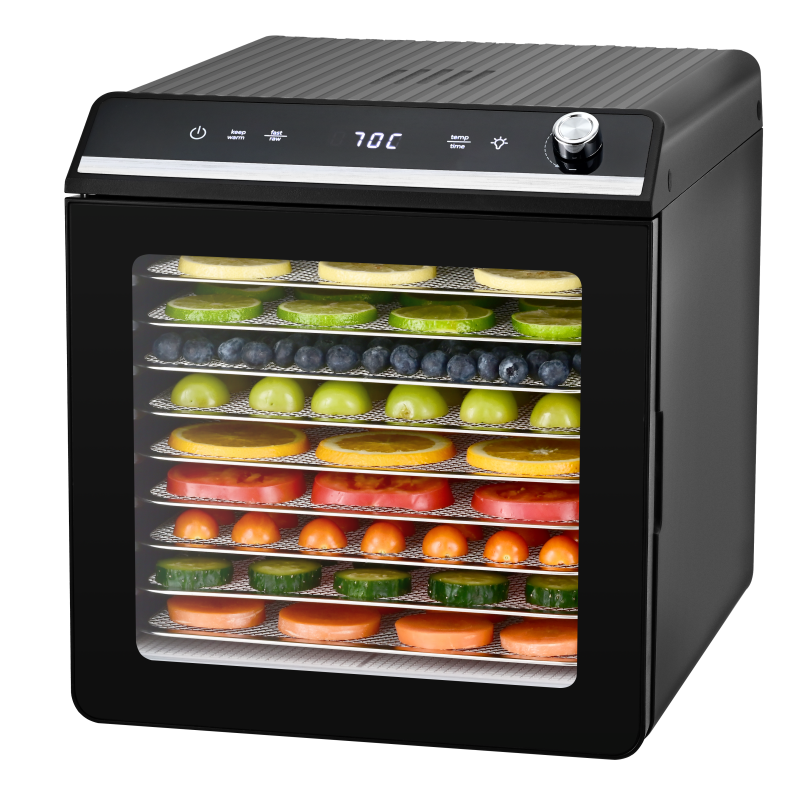
Kangye Electric has built OEM and ODM kitchen appliances since 1989 on a 150,000-square-meter manufacturing base with 200+ engineers and an in-house tooling capability covering dehydrators, air fryer ovens, grills, pizza ovens, and vacuum sealers. Programs run under ISO9001 with CE, GS, CB, ETL, LFGB, and CSA certification support, and tooling ownership terms are documented before the first steel is cut. Browse the site’s product range or contact the team for a mold-level quotation with steel grade, shot-life warranty, and ownership terms stated up front.
Frequently Asked Questions
How much should I budget for a complete kitchen appliance tooling package?
A single-product program usually needs 3–6 molds. Using the 2026 ranges, a small appliance such as a dehydrator or air fryer oven typically lands at US$60,000–150,000 total tooling, plus 10–15% for sampling, fixtures, duties, and first-year maintenance. Prototype tooling at US$2,000–8,000 per part is the low-risk way to validate before committing to hardened steel.
If I pay for the mold, do I automatically own it?
No. Payment does not transfer ownership by itself. Under Chinese commercial practice the party in possession is treated as owner unless a written tooling ownership agreement says otherwise (GTsetu, 2026). Get the clause, the asset schedule, and the physical marking in place before the tool is built.
Can I move my mold to a different factory later?
Yes, if you own it and your contract includes release terms. Without that clause, buyers report release demands of a 15–30% surcharge on tooling cost or outright refusal during disputes (Silk Way Sourcing, 2026). Specify shipment within a fixed window, such as 15 working days, on written request.
How long does appliance tooling last, and who maintains it?
P20 pre-hardened tools handle roughly 500,000+ shots with unfilled materials, while H13 hardened tools exceed 1,000,000 cycles (GM MoldTech, 2026). Glass-filled and flame-retardant resins wear cavities faster. Whoever owns the tool should budget an annual maintenance agreement and spare inserts — typically part of the 10–15% first-year add-on.
Is ODM tooling ever the better choice?
For a first product or a fast market test, ODM open-mold programs cost far less upfront and launch in weeks, but the design stays with the factory and can be offered to competitors without an exclusivity clause (Sourcing Pioneer, 2026; Silk Way Sourcing, 2026). If the design is core to your brand, OEM with a buyer-owned mold is the defensible route.
Sources and Data Notes
- GM MoldTech, “Home Appliance Injection Molding: Complete Manufacturing Guide 2026” (2026) — mold-type cost table, steel grades and lifetimes, project cost add-ons.
- Sourcing Pioneer, “Plastic Injection Mold Costs in China: 2026 Guide” and “OEM vs ODM vs OBM Guide (2026)” (2026) — SPI-class pricing bands, China–West cost gap, tooling ownership and NNN/CNIPA guidance.
- JS Precision, “How Much Does Plastic Injection Molding Cost: 2026 Pricing Guide” (2026) — steel grade base prices, cavity count effects, finish and tolerance premiums.
- FromRubber, “How Much Does Custom Plastic Injection Molding Cost?” (2026) — side-action adders, machine-hour rates, per-part cost framework and amortization logic.
- LSY Plastic, “OEM vs ODM Injection Molding: How to Choose a Partner” (2026) — ownership defaults by model, hybrid structures, verification checklist.
- GTsetu, “Who Owns Tooling and Moulds in Contract Manufacturing?” (2026) — default ownership doctrine, tooling-hostage scenarios, clause checklist.
- Silk Way Sourcing, “OEM vs ODM: the difference and what to choose for your own brand” (2026) — release surcharges, return windows, exclusivity risks.
- Kangye Electric internal tooling quotations and published OEM process data (blog #29996, 2026) — correlation check on the mold-type cost table.
Note: all figures are 2026 published benchmarks or supplier-published ranges for planning purposes; actual quotes depend on part geometry, steel selection, and annual volume. Where sources overlap, the most conservative range is shown.