How Vacuum Sealing Extends Food Shelf Life: The Science of Food Preservation
Introduction: The Silent Revolution in Food Preservation
Every year, an estimated 1.3 billion tons of food is lost or wasted globally — roughly one-third of all food produced for human consumption. A significant portion of this waste occurs at the household and retail level, where improper storage leads to spoilage, freezer burn, and premature expiration. Enter vacuum sealing: a technology that has quietly transformed how we preserve food, extending shelf life by 3 to 5 times compared to conventional storage methods.
Since its introduction in the 1950s by German inventor Karl Busch, vacuum packaging has evolved from a niche industrial technique into an essential kitchen appliance for both home cooks and commercial kitchens. For B2B buyers and OEM sourcing professionals, understanding the science behind vacuum sealing is critical — not just for product development, but for helping end-users maximize the value of their purchase.
In this technical article, we explore the four core mechanisms by which vacuum sealing extends food shelf life, the complementary preservation methods that work alongside it, and why Kangye Electric Appliance vacuum sealer products are engineered to deliver optimal performance across all these dimensions.
The Oxygen Problem: Why Food Spoils in the First Place
To understand how vacuum sealing works, we must first understand why food spoils. Three primary agents drive food deterioration:
- Microbial growth — Bacteria, mold, and yeast thrive in oxygen-rich environments, breaking down food and producing toxins
- Oxidation — Oxygen reacts with fats (lipid oxidation) causing rancidity, and with pigments causing discoloration
- Moisture loss and freezer burn — Air exposure dehydrates food surfaces, damaging texture and flavor
Oxygen is the common thread. Most spoilage-causing microorganisms are aerobic — they require oxygen to grow and reproduce. Research shows that when oxygen concentration drops below 1%, microbial growth slows dramatically; below 0.5%, most aerobic microorganisms stop reproducing entirely. Vacuum sealing achieves precisely this, reducing oxygen levels in the packaging to nominal anoxic levels — typically less than 500 parts per million (0.05%).
This fundamental principle is why vacuum-packed meat can last 8-9 days in refrigeration versus 2-3 days for conventionally stored meat, and why vacuum-sealed frozen foods resist freezer burn for months longer than their non-sealed counterparts.
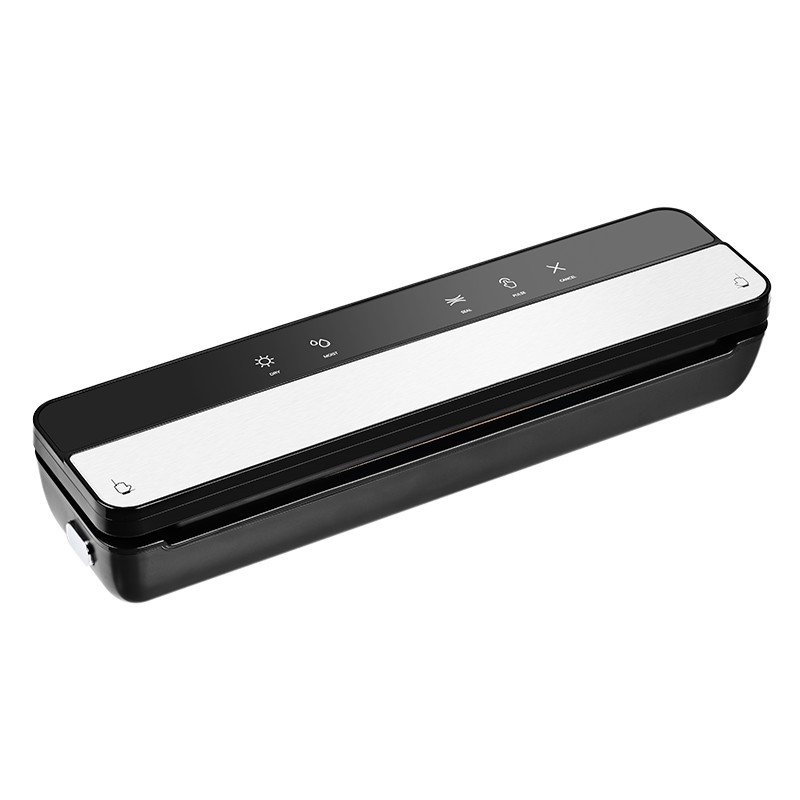
Key Insight: Kangye KYS-960 Series Vacuum Sealer achieves a maximum vacuum degree of ≥50kPa, ensuring oxygen levels are reduced well below the threshold required for microbial growth inhibition — a critical performance metric for serious food preservation.
Mechanism 1: Creating an Anaerobic Environment
The primary mechanism of vacuum sealing is the removal of atmospheric oxygen from the packaging environment. When air is evacuated from a vacuum bag, three critical changes occur:
- Oxygen depletion — The oxygen concentration drops from ~21% (ambient air) to near zero
- Carbon dioxide accumulation — In meat and produce, residual tissue respiration converts remaining oxygen to CO2, creating a modified atmosphere that further inhibits spoilage organisms
- Physical barrier creation — The airtight seal prevents re-entry of air, moisture, and external contaminants
This oxygen-deficient environment severely restricts the growth of Pseudomonas, Bacillus, and other aerobic spoilage bacteria, while favoring slower-growing Lactobacillus species. The result is meat that stays fresh 3-5 times longer in the refrigerator and fish that can be stored months longer in the freezer without quality degradation.
Mechanism 2: Preventing Oxidative Rancidity
Lipid oxidation is one of the primary causes of quality deterioration in fatty foods. When unsaturated fats in meat, nuts, oils, and prepared foods come into contact with oxygen, they undergo a chemical reaction that produces off-flavors and odors — commonly described as rancidity or going bad.
Vacuum sealing dramatically slows this process by removing the oxygen that drives oxidation reactions. The science is well-established:
- Vacuum-sealed nuts can maintain freshness for 12-24 months at room temperature, compared to 3-6 months in regular packaging
- Vacuum-sealed coffee beans retain aromatic oils and flavor compounds for 2-3 years when frozen
- Vacuum-sealed cured meats and cheeses maintain their flavor profile for 4-6 times longer than conventionally stored products
Oxidation also affects vitamins. Vitamin C, vitamin A, and certain B vitamins are particularly susceptible to oxygen degradation. Vacuum sealing preserves these nutrients by preventing the oxidative breakdown that occurs in oxygen-rich storage environments.
Mechanism 3: Eliminating Freezer Burn
Freezer burn is a common problem that affects food stored in conventional freezer packaging. It occurs when air reaches the surface of frozen food, causing moisture to sublimate (turn directly from ice to vapor). The result is dry, discolored, and texturally degraded food that, while technically safe to eat, is often unpalatable.
Vacuum sealing prevents freezer burn by creating a complete barrier between the food and the freezer cold dry air. Without air contact, there is no sublimation, no ice crystal formation on the food surface, and no texture degradation. This is why vacuum-sealed meat can be stored in the freezer for 2-3 years without quality loss, compared to just 3-6 months for conventionally wrapped meat.
Modern vacuum sealers like Kangye KYS-960 series use dual heat sealing strips to ensure an airtight closure, preventing any micro-leaks that could compromise the vacuum over time.
Pro Tip: For best results, pre-freeze meat and fish for 1-2 hours before vacuum sealing. This prevents the vacuum pressure from crushing delicate foods and ensures a cleaner seal by reducing moisture migration during the vacuum process.
Mechanism 4: Synergistic Preservation with Other Methods
Vacuum sealing does not work in isolation. Its effectiveness is amplified when combined with other food preservation techniques. Understanding these synergies is essential for B2B buyers who want to position vacuum sealers as part of a comprehensive food preservation solution.
Sous Vide Cooking
Sous vide — French for under vacuum — is a cooking method that involves vacuum-sealing food in a bag and cooking it in a precisely controlled water bath. The vacuum seal plays a dual role: it protects the food from water contamination during cooking and preserves the cooked food for extended storage afterward. Sous vide has grown from a restaurant technique to a mainstream cooking method, with the global sous vide market projected to reach $680 million by 2032.
Dehydration and Freeze Drying
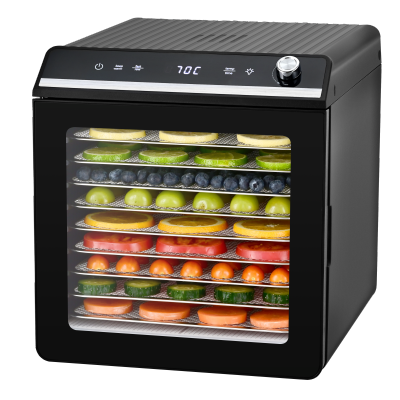
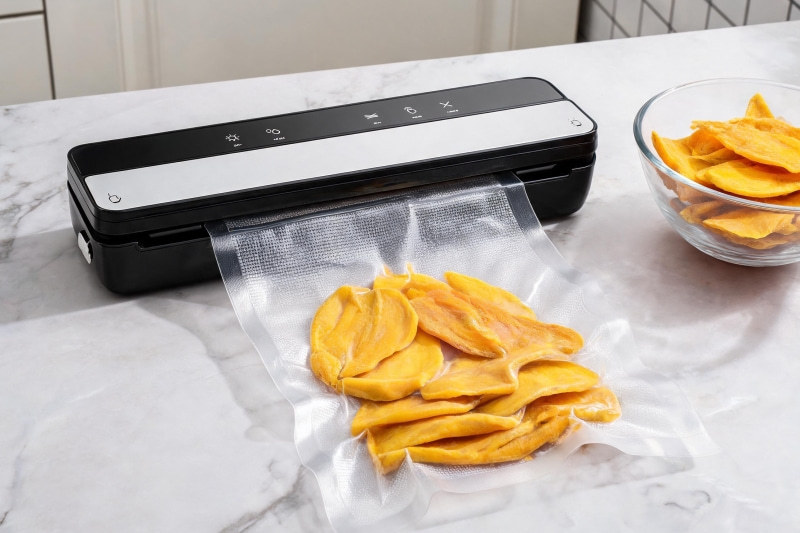
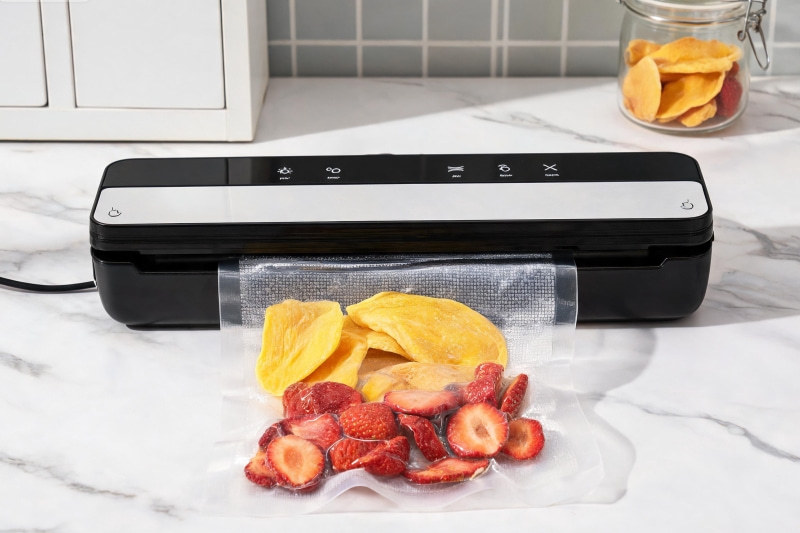
Dehydrated or freeze-dried foods have had their moisture content dramatically reduced, but they remain vulnerable to moisture re-absorption and oxidation. Vacuum sealing dehydrated foods prevents moisture re-entry and oxygen exposure, extending their shelf life from months to years. Kangye complementary product line — including food dehydrators — combined with vacuum sealers offers a complete food preservation ecosystem for end users.
Refrigeration and Freezing
It is critical to note that vacuum sealing is not a substitute for refrigeration. While vacuum sealing slows microbial growth, it does not kill bacteria. Perishable foods must still be refrigerated at 4°C (40°F) or below, or frozen at -18°C (0°F) or below. The combination of vacuum sealing with proper temperature control is what delivers the maximum shelf-life extension.
Safety Considerations: Understanding Anaerobic Risks
While vacuum sealing is an exceptionally effective preservation method, it is essential to understand its limitations. The anaerobic environment that inhibits spoilage bacteria can, under certain conditions, allow Clostridium botulinum — the bacterium that causes botulism — to grow. This pathogen is naturally present in soil and can contaminate vegetables, fish, and meat.
Key safety guidelines for vacuum-sealed foods:
- Always store vacuum-sealed perishable foods in the refrigerator or freezer
- Never leave vacuum-sealed perishable foods at room temperature for extended periods
- High-acid foods (pH below 4.6) such as fruits and pickled vegetables have natural protection against botulism
- Low-acid foods (meat, fish, vegetables) must be kept refrigerated below 4°C or frozen
- Check for signs of spoilage — bulging bags, off-odors, or discoloration — before consuming
By following these guidelines, consumers can safely enjoy the dramatic shelf-life benefits of vacuum sealing without compromising food safety.
Quantified Shelf-Life Extension by Food Type
The table below summarizes the shelf-life extension achieved through vacuum sealing for common food categories. These figures are based on published research and industry data:
Why B2B Buyers Choose Kangye for Vacuum Sealer OEM
For brands, distributors, and retailers looking to source vacuum sealer products, the choice of manufacturing partner directly impacts product quality, reliability, and market competitiveness. Kangye Electric Appliance brings over a decade of OEM/ODM expertise in kitchen appliance manufacturing from Shunde, China — the world premier appliance manufacturing hub.
The KYS-960 Series Food Vacuum Sealer exemplifies the technical excellence that B2B partners can expect:
- 4 Fresh-Keeping Modes — Dry, Moist, Seal, and Pulse modes accommodate a wide range of food types and consistencies
- 8.5-Second Rapid Vacuum — Fast cycle time for efficient meal prep and bulk processing
- 30cm Maximum Sealing Length — Accommodates a wide variety of bag sizes, from small snacks to large meat cuts
- 130W Power — Reliable motor performance with both 120V and 220-240V options for global markets
- 4 Model Variants — KYS-960A/B/C/D offer flexible feature configurations to suit different market segments
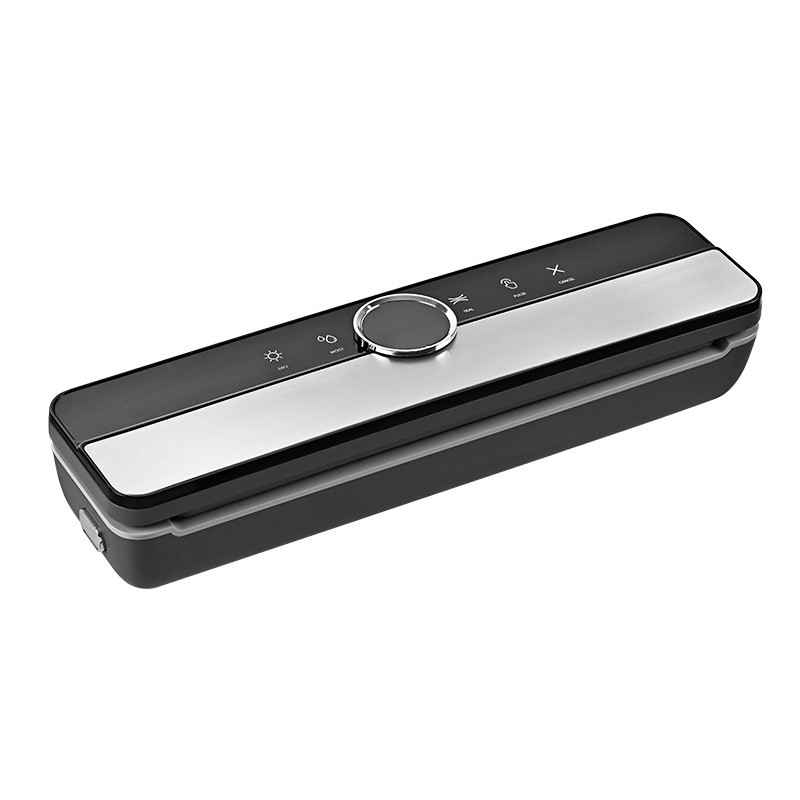
Kangye KYS-960 Food Vacuum Sealer
Compact Automatic Vacuum Sealer with 4 Fresh-Keeping Functions
Learn MoreFrequently Asked Questions
Does vacuum sealing kill bacteria?
No. Vacuum sealing does not kill bacteria — it creates an environment that inhibits their growth by removing oxygen. This is why vacuum-sealed perishable foods must still be refrigerated or frozen. The combination of vacuum sealing with proper temperature control is what ensures food safety.
Can vacuum-sealed food be stored at room temperature?
Only certain foods can be safely stored at room temperature after vacuum sealing. Dry goods (nuts, grains, coffee beans), properly cured meats, and high-acid foods (fruits, pickled products) are generally safe. Perishable items like fresh meat, fish, dairy, and cooked foods must be refrigerated or frozen even when vacuum sealed.
How long does vacuum-sealed meat last in the freezer?
Properly vacuum-sealed meat can last 2-3 years in a standard freezer at -18°C (0°F) without quality loss. By comparison, meat stored in conventional freezer packaging typically lasts only 3-6 months before developing freezer burn and quality degradation.
What foods should not be vacuum sealed?
Soft cheeses, mushrooms, garlic, and cruciferous vegetables (broccoli, cabbage, cauliflower) are not ideal for vacuum sealing. Soft cheeses can be crushed by the vacuum pressure, and cruciferous vegetables release gases during storage, which can cause the bag to inflate. Blanching vegetables before vacuum sealing is recommended for best results.
Conclusion: The Science Is Clear
Vacuum sealing is one of the most effective and accessible food preservation technologies available today. By removing oxygen — the primary driver of microbial growth, oxidative rancidity, and freezer burn — vacuum sealers can extend the shelf life of food by 3 to 5 times, reducing waste, saving money, and preserving nutritional quality.
For B2B buyers evaluating vacuum sealer products for their brand or distribution network, the key technical specifications to evaluate include: vacuum degree (kPa), sealing length, cycle time, mode versatility, and build quality. Kangye Electric Appliance KYS-960 Series meets all of these criteria with proven engineering and flexible OEM/ODM customization options.
Interested in sourcing vacuum sealers for your brand? Contact Kangye to discuss your OEM requirements today.