How to Choose a Vacuum Sealer: A Complete Buyer’s Guide for Sourcing Professionals
Why You Need a Vacuum Sealer in Your Product Line
The global vacuum sealer market is experiencing steady growth, driven by increasing consumer awareness of food waste reduction, meal prep culture, and the rising popularity of sous vide cooking. For B2B buyers and sourcing professionals, understanding the nuances of vacuum sealer technology is essential when selecting products to stock or manufacture. A well-chosen vacuum sealer can become a reliable revenue generator, appealing to home cooks, outdoor enthusiasts, and commercial kitchens alike. This guide walks you through every factor you need to consider when sourcing vacuum sealers for your business.
External vs Chamber Vacuum Sealers: Know the Difference
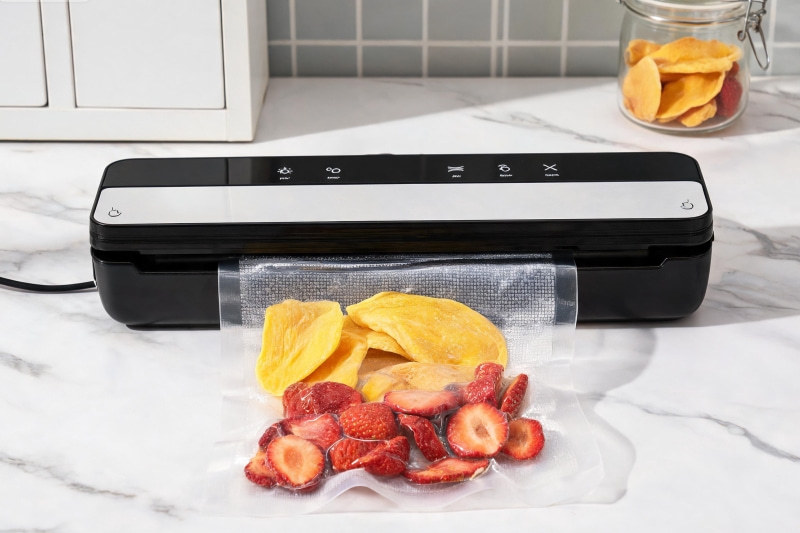
The first and most important distinction in the vacuum sealer market is between external (edge) sealers and chamber sealers. Each type serves a different customer segment and application.
External vacuum sealers clamp the open end of a bag against a heat-seal bar and draw air out through a one-way port. They are compact, affordable, and ideal for home use. Most external models feature a 28–30 cm sealing bar, suction power of 60–80 kPa, and support for textured/channeled bags. These are the dominant format on Amazon and in retail channels, accounting for over 80% of consumer sales.
Chamber vacuum sealers place the entire bag inside a sealed chamber, evacuate air from the chamber, and then seal the bag. They handle liquids, marinades, and wet foods far better than external models. Chamber sealers use smooth, non-textured bags which cost significantly less per unit. However, they are larger, heavier, and more expensive — typically $300+ wholesale compared to $20–60 for external models. They suit serious home cooks, small commercial kitchens, and butchers.
Key Feature 1: Suction Power and Pump Type
Suction power, measured in kilopascals (kPa) or inches of mercury (inHg), determines how effectively the machine removes air from bags. For home-use external sealers, look for machines with at least 60–80 kPa suction. Commercial-grade external sealers reach 90 kPa or higher, which is essential for dense foods like vacuum-packed cheese or thick cuts of meat.
The pump type matters for longevity: single-piston pumps are common in budget models and suit occasional use, while dual-piston or oil-lubricated pumps offer longer life for frequent or heavy use. The Kangye KYS-960 series delivers reliable suction with 50 kPa maximum vacuum degree, ideal for standard home food preservation tasks.
Key Feature 2: Seal Bar Width and Seal Quality
The sealing bar width determines the maximum bag width the machine can handle. Standard home models offer 28–30 cm sealing bars, sufficient for most vacuum bags. Wider bars (35–40 cm) accommodate larger cuts of meat and bulk items, appealing to serious meal-preppers and hunters.
Seal quality is equally important. Look for these indicators of reliable sealing:
- Double seal mechanisms — provide backup protection if one seal fails
- Teflon-coated sealing bars — prevent food residue from sticking and ensure consistent heat distribution
- Adjustable sealing time — allows optimization for different bag thicknesses and materials
- Replaceable sealing strip — extends the machine’s service life and reduces replacement costs
Key Feature 3: Wet/Dry Modes and Moisture Handling
One of the most common pain points for vacuum sealer users is handling moist or marinated foods. A dedicated wet mode adjusts the vacuum cycle to prevent liquids from being drawn into the pump, which can damage the machine and compromise the seal. Pulse mode gives the user manual control over the vacuum process, allowing gentle handling of delicate items like berries, bread, and pastries without crushing them.
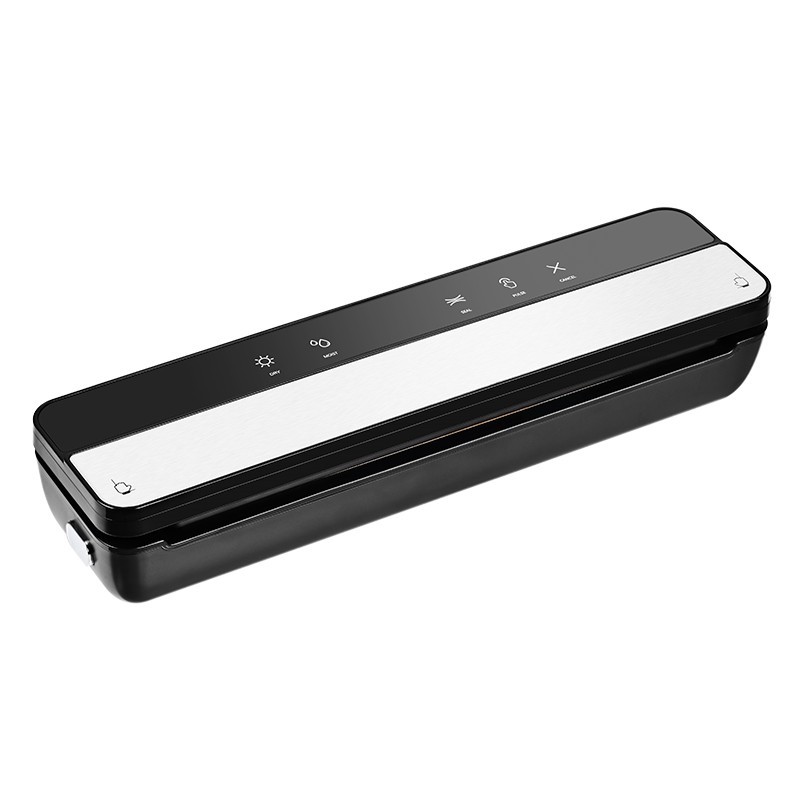
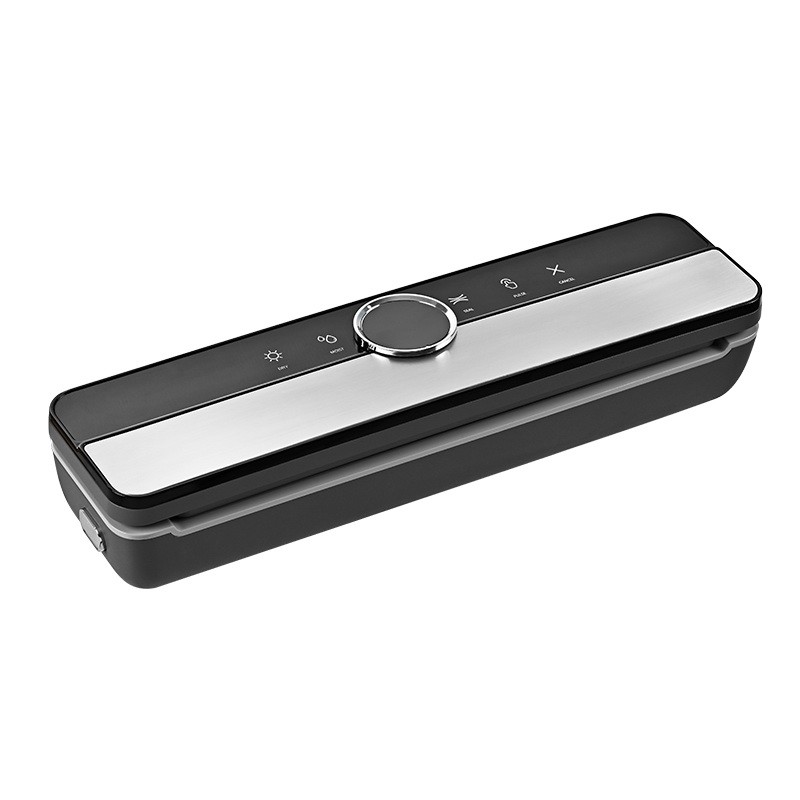
The Kangye KYS-960 series includes four preset functions: Dry, Moist, Seal Only, and Pulse mode, covering the full range of food preservation scenarios.
Key Feature 4: Bag Compatibility and Ongoing Costs
Bags are the primary ongoing cost for any vacuum sealer owner. External sealers typically require textured or embossed bags with channels that allow air to escape. These come in rolls (allowing custom lengths) or pre-cut sizes. Chamber sealers use smooth, non-textured bags that are considerably cheaper — approximately $0.08 per bag versus $0.35 for textured bags.
Key factors to evaluate when sourcing:
- Proprietary vs universal bags — Some brands require proprietary bags that cost more; universal compatibility is a plus
- Roll storage and built-in cutter — Convenience features that reduce waste and simplify usage
- Bag thickness — Standard bags are 3–4 mil; heavy-duty bags for sharp-edged foods are 5–8 mil
- BPA-free and food-safe materials — Increasingly important for consumer perception and regulatory compliance
Key Feature 5: Accessory Port and Versatility
An accessory port with an external hose dramatically expands a vacuum sealer’s functionality. It allows the machine to vacuum-seal canisters, jars, wine bottles, and vacuum containers — extending its use beyond bags alone. This feature is increasingly popular with consumers who want to keep opened pantry items fresh, marinate foods quickly, or preserve wine.
Built-in bag roll storage and cutters are convenience features that improve the user experience. Models with these features allow users to create custom-sized bags from a roll, reducing waste and eliminating the need for scissors.
Pricing Tiers and Target Markets
Understanding the pricing landscape helps B2B buyers position their product offerings:
| Tier | Wholesale Price | Suction | Seal Bar | Target Customers |
|---|---|---|---|---|
| Budget | $15–$30 | 50–60 kPa | 28 cm | Occasional home users, first-time buyers |
| Mid-Range | $30–$60 | 60–80 kPa | 30 cm | Regular home users, meal preppers |
| Premium | $60–$120 | 80–90 kPa | 30–35 cm | Enthusiasts, sous vide cooks |
| Commercial/Chamber | $120–$500+ | 90+ kPa | 35–50 cm | Butchers, restaurants, commercial kitchens |
Certifications and Compliance: What B2B Buyers Must Check
When sourcing vacuum sealers from overseas manufacturers, certifications are non-negotiable. For global distribution, ensure your supplier provides the following:
- CE — Required for European market
- CB — International safety certification
- GS — German safety standard (highly regarded in EU)
- ETL — North American safety certification
- RoHS — Restriction of hazardous substances (EU)
- LFGB — German food contact safety
- FDA — US food contact material compliance
Voltage configuration is also critical: 120V 60Hz for North America, and 220–240V 50/60Hz for Europe and Asia. The Kangye KYS-960 series supports both voltage options, making it suitable for global markets.
10 Key Questions to Ask Your Vacuum Sealer Supplier
- What is the MOQ? — Typical MOQ for OEM orders is 500–3000 units depending on model.
- What is the lead time? — Standard production lead time is 15–45 days from order confirmation.
- Can you customize branding and packaging? — Ensure the manufacturer offers OEM/ODM services.
- What certifications do you provide? — Request full certification documentation.
- What is the warranty period? — Industry standard is 1–2 years for vacuum sealers.
- Do you offer private-label or white-label options? — Essential for brand identity.
- Can you provide samples before bulk order? — Always test samples first.
- What packaging options are available? — Gift box, retail box, bulk carton.
- Do you ship FOB, CIF, or EXW? — Clarify shipping terms.
- What after-sales support do you provide? — Replacement parts and technical support.
Why Source Your Vacuum Sealers from Kangye
Kangye Electric Appliance is a trusted OEM/ODM manufacturer based in Shunde, China — the global capital of small kitchen appliance production. Our KYS-960 series vacuum sealer exemplifies the quality and value that Kangye brings to the table:
- 4 Fresh-Keeping Functions: Dry, Moist, Seal Only, and Pulse
- 30 cm sealing bar — accommodates standard and large bags
- Rapid vacuum cycle: 8.5 seconds
- Dual voltage support: 120V and 220–240V
- Full global certification compliance
- Competitive MOQ and fast lead times
- Complete OEM/ODM customization
Conclusion: Make the Smart Choice for Your Business
The vacuum sealer market offers substantial opportunities for B2B buyers who understand product differentiation. Whether you target budget-conscious home users with compact external sealers or serious cooks with premium multi-function models, selecting the right features and a reliable manufacturing partner is crucial. Kangye Electric Appliance combines competitive pricing, flexible OEM/ODM services, and comprehensive global certifications to help you build a successful vacuum sealer product line. Contact us today to discuss your vacuum sealer sourcing requirements.