OEM vs ODM vs OBM in Kitchen Appliance Manufacturing: A Complete Guide for Global Buyers
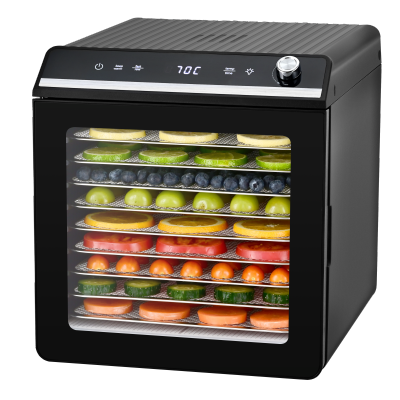
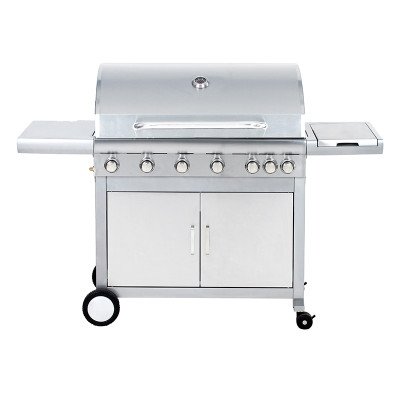
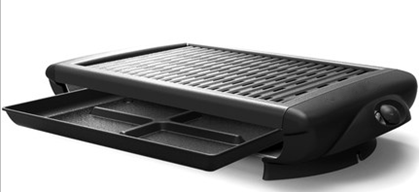
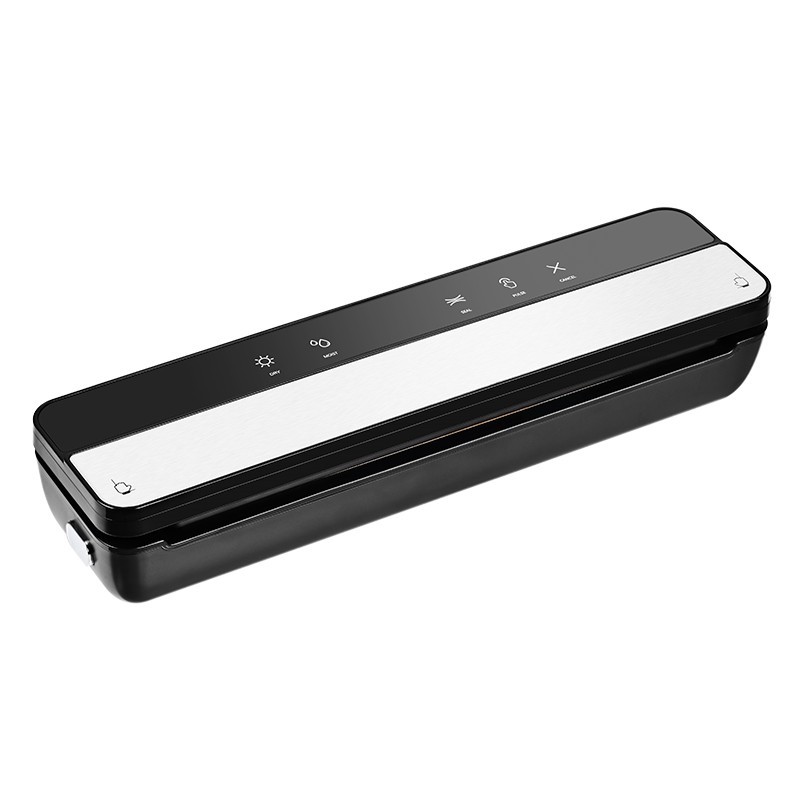
When sourcing kitchen appliances from China, such as food dehydrator, air fryer, gas pizza oven, electric bbq grill, gas bbq grill, global buyers frequently encounter three critical terms: OEM, ODM, and OBM. These acronyms define the manufacturing relationship between you and your supplier, and choosing the right model has far-reaching implications for your product development costs, intellectual property protection, time to market, and long-term brand strategy. This comprehensive guide breaks down each model, compares their advantages and disadvantages, and helps you determine which approach aligns with your business goals in the kitchen appliance industry. OEM, or Original Equipment Manufacturing, is the most widely adopted production model in global trade. In an OEM arrangement, the buyer owns the product design and specifications, while the manufacturer produces the goods to those exact requirements. The factory's role is limited to manufacturing — they build exactly as specified, with no ownership over the design, tooling, or intellectual property. In the kitchen appliance industry, OEM is the standard model for established brands that have dedicated R&D teams. A European cookware brand, for example, might design a new air fryer with specific heating elements, control panels, and safety features. They then partner with a Chinese OEM manufacturer in Shunde to produce the appliance at scale. The brand retains full ownership of the design, patents, and molds, and can switch factories if needed — because they own the tooling. Key characteristics of OEM manufacturing: ODM, or Original Design Manufacturing, flips the traditional relationship. Here, the manufacturer owns the product design and offers it as a catalog item. The buyer selects an existing design and customizes it — changing colors, logos, packaging, or minor features — but the core design remains with the factory. This model has become increasingly dominant in the small kitchen appliance sector, where speed to market is critical. Chinese ODM factories invest heavily in R&D, monitoring global market trends and developing designs they believe will sell. At trade shows like the Canton Fair, these factories showcase dozens of new appliance designs each season. A US distributor looking to expand into air fryers can select a proven ODM model, request custom branding and packaging, and have product ready for market in weeks rather than months. The kitchen appliance industry is particularly well-suited to ODM manufacturing. Categories like air fryers, food dehydrators, electric grills, vacuum sealers, and pizza ovens have standardized core technologies, leaving room for differentiation through features, aesthetics, and branding rather than fundamental design. Key characteristics of ODM manufacturing: OBM, or Original Brand Manufacturing, represents the highest stage of manufacturing evolution. An OBM company designs, produces, and markets products under its own brand. Unlike OEM or ODM partners, OBM companies are directly responsible for branding, marketing, distribution, and after-sales service. They control the entire value chain from concept to consumer. In the Chinese manufacturing ecosystem, OBM is often the aspirational goal. Companies like Midea, Haier, and Supor began as OEM/ODM suppliers for Western brands before building their own brand identities and competing globally. This transition from "made in China" to "brand from China" represents a fundamental shift in business strategy, requiring significant investment in marketing channels, brand building, and consumer trust. For many Chinese appliance manufacturers today, OBM represents the long-term vision — but it is not the right choice for every company, nor is it the right choice for every buyer looking to source products. Understanding the distinctions between these three models is essential before choosing a manufacturing partner. The table below summarizes the critical differences: Selecting between OEM, ODM, and OBM depends on several factors unique to your business situation: Choose OEM if: You have an in-house product development team, you own proprietary technology or designs, you need full control over every aspect of the product, and you have the capital to invest in tooling and molds. OEM is ideal for established brands that need manufacturing scale without compromising design integrity. It also provides the strongest IP protection because you legally own the product design. Choose ODM if: You want to enter a new product category quickly without heavy R&D investment, you are a distributor or e-commerce brand looking to expand your product line, or you want to test market demand before committing to a custom design. ODM is the most popular entry point for international buyers sourcing from China. The vast majority of imported small kitchen appliances — from air fryers to dehydrators to BBQ grills — are ODM products with private-label branding. Choose OBM only if: You are a manufacturer with established production capabilities, you have significant marketing and distribution resources, and you are ready to invest in long-term brand building. For most international buyers, OBM is not a relevant choice — you are buying from OBM companies, not choosing OBM as your manufacturing model. Many of the world's most successful appliance manufacturers have followed a predictable evolution path: starting with OEM, graduating to ODM, and ultimately building their own OBM brands. This progression allows companies to build manufacturing expertise, accumulate capital, and develop R&D capabilities before making the leap to branded sales. Stage 1 — OEM: The company builds its production capabilities by manufacturing for established brands. This phase generates revenue, builds technical expertise, and establishes quality control systems. Most Chinese appliance factories begin this way, producing for European and North American brands under strict quality standards. Stage 2 — ODM: Having developed manufacturing expertise, the company begins offering its own designs. R&D investment increases, and the factory builds a catalog of products that buyers can private-label. This is the stage where Kangye Electric Appliance excels today — combining manufacturing excellence with in-house design capabilities to serve global clients with customizable products. Stage 3 — OBM: The company launches its own brand, investing in marketing, distribution networks, and consumer-facing operations. This stage requires entirely different capabilities than manufacturing, which is why many factories choose to remain at the ODM stage — it is a profitable business model without the risk and complexity of brand management. IP protection is one of the most important considerations when choosing a manufacturing model, particularly when sourcing from overseas: In OEM: IP protection is strongest because the buyer owns the design, patents, and molds. However, buyers should still register their design patents and trademarks with the China National Intellectual Property Administration (CNIPA) to ensure legal recourse. A well-structured OEM agreement should include non-disclosure clauses, non-compete provisions, and explicit tooling ownership terms. In ODM: IP risk is moderate. Since the factory owns the base design, the same product could potentially be sold to competitors with different branding. However, reputable ODM manufacturers protect their clients' interests through exclusive design agreements, geographic restrictions, and time-limited exclusivity periods. Kangye, for instance, maintains strict client confidentiality and offers exclusive design arrangements for qualified partners. In OBM: The manufacturer owns all IP, eliminating the risk of design copying — but also bearing the full cost of IP enforcement. Located in China's Guangdong Province, Shunde has earned its reputation as the world capital of small kitchen appliance manufacturing. The region produces over 30% of the world's small household appliances and is home to thousands of specialized factories covering every category — from rice cookers to air fryers, vacuum sealers to BBQ grills. What makes Shunde unique is its complete supply chain ecosystem. Within a 50-kilometer radius, you can find suppliers of motors, heating elements, thermostats, PCBs, plastic injection molds, stainless steel sheets, and packaging materials. This concentration of expertise allows Shunde manufacturers to offer competitive pricing, rapid prototyping, and flexible production runs that other manufacturing regions cannot match. Kangye Electric Appliance is proud to be part of this ecosystem. Located in the heart of Shunde, Kangye combines decades of manufacturing experience with modern production facilities to deliver OEM and ODM solutions that meet international quality standards. Kangye Electric Appliance is a trusted OEM/ODM partner based in Shunde, China, specializing in a wide range of kitchen appliances including air fryers, food dehydrators, vacuum sealers, electric and gas BBQ grills, and pizza ovens. Our manufacturing services are designed to support buyers at every stage of their product development journey: Understanding the differences between OEM, ODM, and OBM is essential for any B2B buyer sourcing kitchen appliances from China. Each model offers distinct advantages depending on your business stage, budget, and strategic goals. OEM provides maximum control and IP protection for established brands, ODM offers speed and cost-efficiency for growing businesses, and OBM represents the pinnacle of brand ownership for manufacturers ready to go direct to consumers. At Kangye Electric Appliance, we specialize in both OEM and ODM partnerships, helping global buyers bring quality kitchen appliances to market efficiently and competitively. Whether you have a detailed product specification ready for OEM production or want to explore our ODM catalog for private-label opportunities, our experienced team is here to support your sourcing journey. Contact us today to discuss your kitchen appliance manufacturing requirements.Understanding OEM, ODM, and OBM in Kitchen Appliance Manufacturing
What is OEM (Original Equipment Manufacturer)?
What is ODM (Original Design Manufacturer)?
What is OBM (Original Brand Manufacturer)?
OEM vs ODM vs OBM: Key Differences at a Glance
Aspect
OEM
ODM
OBM
Design Ownership
Buyer owns the design
Factory owns the design
Manufacturer owns the design
Brand Control
Buyer's brand
Buyer's brand (private label)
Manufacturer's own brand
R&D Investment
High (buyer-funded)
Moderate (factory-funded)
Very high (fully self-funded)
Customization Level
Full customization
Partial customization
No buyer customization
MOQ
High (500–3000+ units)
Low to moderate (100–1000 units)
Varies by brand strategy
Time to Market
Long (6–12 months)
Short (4–12 weeks)
Varies
Upfront Cost
High (design, molds, testing)
Low to moderate
Very high
IP Risk
Low (buyer controls IP)
Moderate (design shared)
Low (manufacturer controls IP)
Profit Margin
Moderate
Good
Highest potential
Best For
Established brands with in-house R&D
Startups, distributors, expanding brands
Companies building global brand presence
How to Choose the Right Manufacturing Model for Your Business
The OEM-to-OBM Evolution: A Development Path
Intellectual Property Protection Across Manufacturing Models
Why Shunde is the Global Hub for OEM/ODM Kitchen Appliance Manufacturing
How Kangye Supports OEM, ODM, and OBM Partnerships
Conclusion: Choosing Your Path in Global Appliance Sourcing