Post-Pandemic Food Preservation Trends: What Global Buyers Need to Know in 2026
The New Normal: How COVID-19 Reshaped Food Preservation
The COVID-19 pandemic fundamentally rewired how consumers think about food. Lockdowns, supply chain disruptions, and health concerns drove a global reckoning with food security that has outlasted the pandemic itself. By 2026, the food preservation appliance market has entered a new phase of sustained growth, propelled by behavioral shifts that are now deeply embedded in daily life.
Consumers who once relied on fresh food daily now actively seek methods to extend shelf life, reduce waste, and maintain a stocked pantry. According to recent market research, the global vacuum preservation machine market reached USD 1.38 billion in 2025 and is projected to grow to USD 1.97 billion by 2032 at a CAGR of 5.25%. Meanwhile, the household vacuum sealing machines segment alone is valued at USD 1.5 billion with a 7% CAGR through 2033.
For B2B buyers — importers, distributors, and retailers — this represents a major opportunity. The post-pandemic consumer is more informed about preservation technologies than ever before, and they are willing to invest in appliances that deliver tangible results. Understanding these trends is essential for making informed sourcing decisions.

Consumer demand for food preservation solutions has surged since the pandemic, driving innovation across the entire appliance category.
Freeze-Drying Goes Mainstream: A $350 Billion Global Market
Freeze-drying, once reserved for space missions and emergency rations, has entered the consumer mainstream at an extraordinary scale. In 2026, the global freeze-dried food market is projected to reach USD 350.9 billion, growing at a compound annual rate of 6.65% through 2035. North America accounts for 35% of this market (USD 122.8 billion), followed by Europe at 27% and Asia-Pacific at 25%.
Several factors are driving this growth. First, freeze-dried food retains up to 97% of its original nutritional value — a compelling advantage for health-conscious consumers. Second, the technology enables shelf lives of 15 to 30 years when properly stored, making it ideal for emergency preparedness. Third, product innovation has expanded beyond freeze-dried fruits and instant coffee into full meals, pet food, and functional foods.
In China, the freeze-dried food market reached RMB 38 billion in 2024 and is expected to grow at 15% CAGR to RMB 88 billion by 2030. While still small compared to the US, which consumes 600 million tons annually, the growth trajectory signals enormous long-term potential. For B2B buyers, this translates directly into demand for freeze-drying equipment and supporting infrastructure.
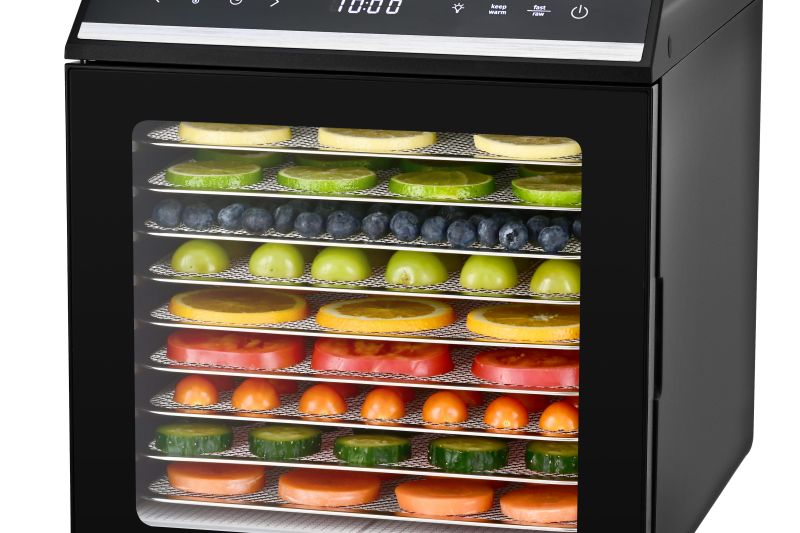
Freeze-dried food has moved beyond niche applications into mainstream retail, driven by superior nutrient retention and extended shelf life.
Vacuum Sealing: From Commercial Kitchen to Household Staple
Vacuum sealing technology has experienced one of the most dramatic post-pandemic growth trajectories. The global vacuum preservation machine market reached USD 1.38 billion in 2025, and the household vacuum sealing machines segment is expanding at 7% CAGR toward an estimated USD 2.58 billion by 2033.
Key drivers include:
- Food waste reduction: Vacuum sealing extends the shelf life of fresh foods by 3–5 times, directly addressing a top consumer concern. Nearly 42% of consumers cite waste reduction as their primary motivation for adopting vacuum sealing.
- Bulk purchasing behavior: Post-pandemic inflationary pressure has made bulk buying attractive. Vacuum sealers enable households to portion and preserve bulk purchases efficiently.
- Sous-vide cooking adoption: The growing popularity of sous-vide cooking has driven demand for precision vacuum sealers that can handle both moist and dry foods.
- Smart features integration: Manufacturers are incorporating automatic moisture detection, pulse-sealing modes, and IoT connectivity into new models, expanding their appeal.
External vacuum sealers dominate 62% of the market, while chamber sealers are gaining traction in premium segments. The household end-use segment accounts for 66.8% of total demand, making this a consumer-driven category with clear B2B sourcing implications.
Market Insight
The household vacuum sealing machines market is projected to grow from USD 1.5 billion in 2025 to USD 2.58 billion by 2033 — a 7% CAGR. China-based manufacturers with strong R&D capabilities and competitive pricing are well-positioned to capture this demand.
Home Food Dehydration: The Revival of an Ancient Practice
Food dehydration is one of the oldest preservation methods known to humanity, but modern technology has transformed it into a high-growth appliance category. The worldwide household food dehydrator market was valued at USD 648.5 million in 2025 and is projected to reach USD 963.58 million by 2032, growing at a CAGR of 5.82%.
The home use food dehydrators segment is even more dynamic. Valued at USD 120.43 million in 2025, it is projected to grow at 5.6% CAGR to USD 207.66 million by 2035. This growth is fueled by the rising popularity of homemade dried fruits, vegetable chips, beef jerky, and herb preservation.
North America leads the market at 38% share, followed by Europe at 30% and Asia-Pacific at 25%. Key market trends include:
- Digital controls: Over 60% of new models now feature programmable digital thermostats and timers, enabling precise temperature control for different food types.
- Energy efficiency: PTC heating elements and optimized airflow designs have reduced energy consumption by 15–20% compared to traditional models.
- Compact designs: Urban households drive 51% of demand for compact, space-efficient dehydrator models.
- Material safety: Over 70% of new products now use BPA-free materials, responding to growing consumer health awareness.
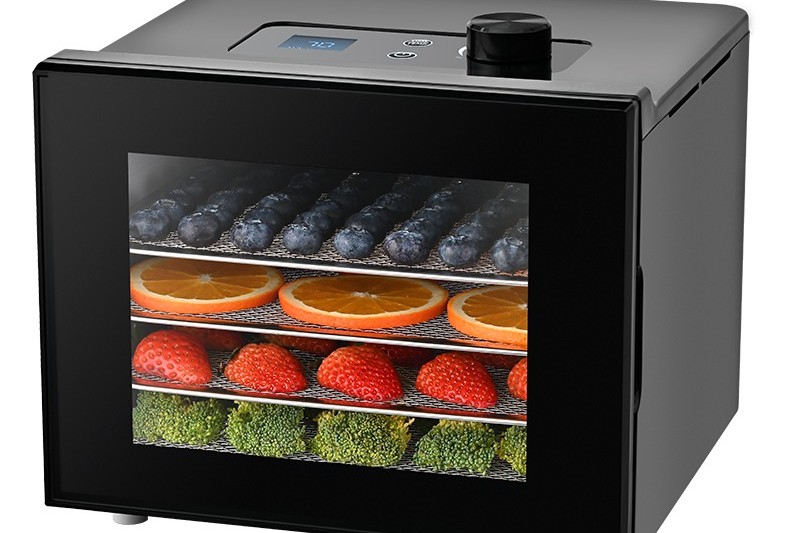
Modern food dehydrators combine digital precision with energy efficiency, making home food preservation accessible to a wider consumer base.
HPP Technology: Breaking Beyond Juice
High-Pressure Processing (HPP) technology, once confined to the juice industry, is rapidly expanding into new food categories. HPP uses ultra-high pressure to inactivate pathogens without heat, preserving the fresh taste, texture, and nutritional profile of foods without preservatives.
In 2026, HPP applications have broadened from juices into meat products, dairy, ready-to-eat meals, and even pet food. The technology aligns perfectly with consumer demand for clean-label, minimally processed foods — a trend that has accelerated significantly since the pandemic.
China's HPP equipment market is experiencing particularly strong growth. The outdoor food economy — camping, hiking, and road trips — has driven demand for portable, shelf-stable foods that retain fresh taste. HPP-treated meats and prepared meals now feature prominently in product lines targeting outdoor consumers.
For B2B buyers, the HPP trend signals growing demand for complementary preservation equipment such as vacuum sealers, packaging machines, and cold chain infrastructure. Manufacturers that offer integrated preservation solutions are well-positioned to capture this expanding market.
Smart Preservation Appliances and IoT Integration
The convergence of food preservation with smart home technology represents a significant trend for 2026 and beyond. Smart food dehydrators with IoT connectivity have seen adoption rates grow by 28%, allowing users to monitor and control drying cycles remotely via smartphone apps.
Innovations in this space include:
- AI-powered drying profiles: Advanced dehydrators can now identify food types and automatically adjust temperature and airflow for optimal results.
- Vacuum sealers with app connectivity: Some premium models offer presets for different food types and send notifications when seals are complete.
- Multi-functional appliances: The line between dehydrators, air fryers, and vacuum sealers is blurring, with combination devices gaining popularity in space-conscious households.
- Energy monitoring: Smart features help users track energy consumption and optimize usage patterns, addressing a key concern for 34% of consumers.
These innovations create a premium segment that appeals to tech-savvy consumers willing to pay higher price points. For OEM and ODM partners, this opens opportunities to develop differentiated products with unique feature sets.
Regional Market Shifts: Where Growth Is Happening
Food preservation appliance demand varies significantly by region, and understanding these differences is critical for sourcing strategy.
| Region | Key Trend | Growth Driver | CAGR |
|---|---|---|---|
| North America | Emergency preparedness & healthy snacking | 52% of consumers prefer shelf-stable foods | 5–7% |
| Europe | Clean label & sustainability | 44% prefer minimally processed foods | 4–5% |
| Asia-Pacific | Urbanization & convenience | 49% of urban consumers seek convenience | 10–15% |
| Middle East & Africa | Food security & emergency reserve | 36% prioritize food safety & stability | 6–8% |
Asia-Pacific is the fastest-growing region for food preservation appliances, driven by rapid urbanization, rising disposable incomes, and increasing awareness of food waste reduction. China and India are the primary growth engines, with Southeast Asian markets also showing strong momentum.
Sourcing Opportunities for B2B Importers
The post-pandemic food preservation boom creates clear opportunities for B2B buyers. Importers and distributors looking to capitalize on these trends should consider several strategic approaches.
Product categories with high growth potential:
- Multi-tray food dehydrators with digital controls — the sweet spot between affordability and functionality
- Compact vacuum sealers for home use — particularly models with multiple sealing modes
- Combination appliances that integrate dehydration, vacuum sealing, or air frying functions
- Commercial-grade preservation equipment for small and medium food businesses
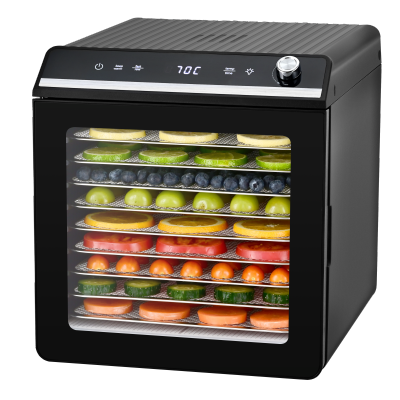
Featured Product: Kangye 10-Tray Food Dehydrator KYS-315 Series
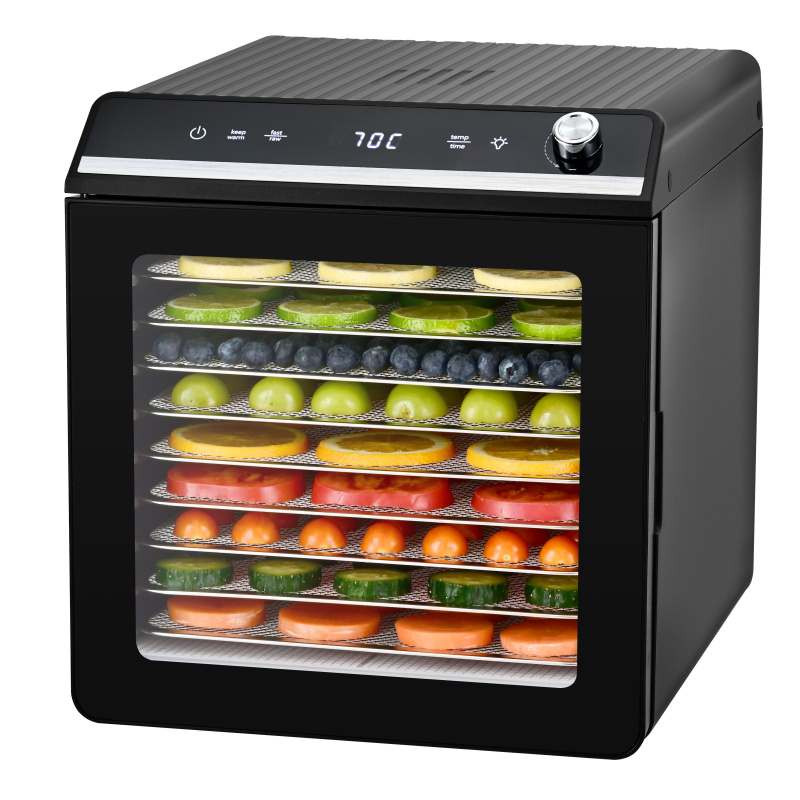
Kangye's KYS-315 Series 10-Tray Home Food Dehydrator is engineered for the post-pandemic preservation market. With 600–700W power output, BPA-free stainless steel construction, and a 48-hour programmable timer, it delivers professional-grade dehydration for fruits, vegetables, meats, and herbs.
- 10 stainless steel trays with 360° airflow circulation
- Digital temperature control (35°C–70°C) with 48H timer
- Overheat protection and auto shut-off for safety
- BPA-free food-grade materials, UL/ETL/CE certified
- OEM/ODM customization: branding, packaging, voltage
The Road Ahead: What Global Buyers Should Watch
As the food preservation appliance market continues to evolve, several trends will shape the landscape through 2030 and beyond.
- Premiumization: Consumers are willing to pay more for appliances with certifiable food-safety features and smart capabilities. The premium segment is growing faster than entry-level categories.
- Sustainability pressure: Over 32% of manufacturers are adopting recyclable packaging materials. Buyers should prioritize suppliers with environmental certifications and sustainable manufacturing practices.
- Regulatory compliance: The EU updated its microbiological limits for freeze-dried foods in 2025, and China published industry standards for freeze-drying quality indicators. Compliance is becoming a competitive differentiator.
- Channel diversification: E-commerce now accounts for 27% of freeze-dried food sales and 28% of food preservation appliance sales. B2B buyers should consider omnichannel distribution strategies.
- Supply chain resilience: Regional supply chains are gaining importance. China's manufacturing ecosystem in Guangdong and Zhejiang provinces offers a compelling combination of scale, quality, and cost efficiency.
Key Takeaway
The post-pandemic food preservation market is not a temporary spike — it is a structural shift in consumer behavior.
B2B buyers who partner with experienced OEM/ODM manufacturers like Kangye can bring high-quality preservation appliances to market quickly, backed by proven manufacturing expertise and flexible customization capabilities.
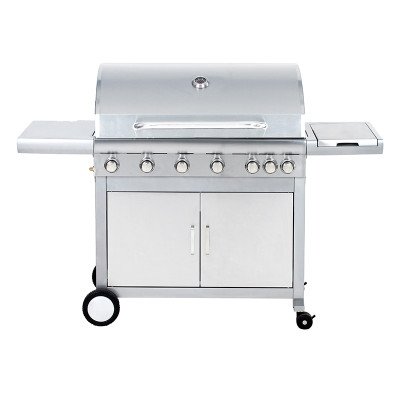
For importers and distributors ready to explore food preservation appliance sourcing, Kangye offers comprehensive OEM and ODM services backed by decades of manufacturing experience. From food dehydrators and vacuum sealers to electric grills and air fryers, our product lineup is designed to meet the demands of today's informed consumers.