Steam Cooker Buying Guide: How to Choose the Right Commercial Steam Cooker for Your Business
Steam Cooker Buying Guide: How to Choose the Right Commercial Steam Cooker for Your Business
Steam cooking has become one of the most sought-after cooking methods in commercial kitchens worldwide. From preserving nutrients and enhancing flavor to improving kitchen efficiency, steam cookers offer undeniable advantages for restaurants, hotels, catering businesses, and food processing facilities. This comprehensive buyer's guide will walk you through everything you need to know before sourcing steam cookers — from types and capacities to key features, pricing, and supplier evaluation.
Why Choose Steam Cooking for Your Commercial Kitchen?
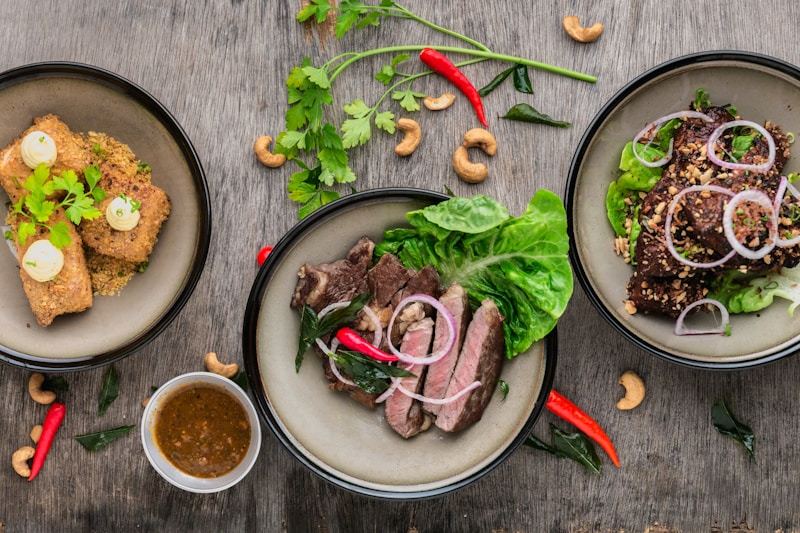
Steam cooking uses hot water vapor to transfer heat to food. Because water conducts heat approximately 25 times more efficiently than air, steam cookers can cook food faster while preserving moisture, color, and nutrients. Key benefits include:
- Healthier meals — Steam cooking requires little to no oil, retaining up to 50% more vitamins than boiling
- Faster cooking times — Steam transfers heat more efficiently, reducing cooking time by 20-30%
- Better food quality — Foods retain natural colors, textures, and flavors without drying out
- Multi-tasking capability — Cook different ingredients simultaneously without flavor transfer
- Energy efficiency — Steam cookers consume less energy than traditional ovens for equivalent output
Types of Steam Cookers: Which One Fits Your Operation?
Understanding the different types of steam cookers is the first step in making an informed purchasing decision. Commercial steam cookers generally fall into several categories based on steam generation method, size, and configuration.
By Steam Generation Method
Boiler-Based Steamers: These units have an internal boiler that heats water to generate steam. They offer consistent steam output and are ideal for high-volume kitchens. However, they require regular descaling and water treatment to prevent mineral buildup.
Connectionless (Boilerless) Steamers: These units generate steam on demand by spraying water directly onto heating elements. They use less water and energy, require less maintenance, and are lighter in weight. Perfect for smaller kitchens or operations concerned about water quality.
Combi Steam Ovens: Combination ovens that offer steam, convection, and combination cooking modes. These are the most versatile option, capable of steaming vegetables, roasting meats, baking bread, and more — all in one unit.
By Configuration
Countertop Steamers: Compact units designed to sit on a counter, typically holding 3 to 6 steam table pans. Suitable for low to medium-volume operations such as cafes, delis, and small restaurants.
Floor Model Steamers: Larger freestanding units that can hold 10 to 40+ pans. Designed for high-volume kitchens like hotels, hospitals, schools, and banquet facilities.
Stackable Steamers: Modular units that can be stacked vertically to increase capacity as your business grows. Ideal for operations planning future expansion.
Key Capacity Considerations: Sizing Your Steam Cooker
Choosing the right capacity is critical to avoid bottlenecks during peak hours or wasting energy on an oversized unit. Capacity is typically measured by the number of steam table pans (GN 1/1 or 1/2 size) the unit can hold.
| Meal Volume | Recommended Capacity | Unit Type |
|---|---|---|
| Under 100 meals/day | 3–6 pan | Countertop |
| 100–300 meals/day | 6–12 pan | Countertop / Floor |
| 300–500 meals/day | 12–20 pan | Floor Model |
| 500+ meals/day | 20+ pan | Floor / Stackable |
Essential Features to Look for in a Commercial Steam Cooker
When evaluating steam cooker suppliers and models, the following features should be on your checklist:
- Digital Controls & Presets: Programmable settings for different food types ensure consistent results with minimal operator training.
- Automatic Water Fill & Drain: Reduces manual labor and ensures consistent water levels during operation.
- Self-Cleaning / Descaling Function: Extends equipment lifespan and reduces maintenance costs.
- Energy-Saving Modes: Look for models with standby modes and efficient insulation to reduce operating costs.
- Safety Certifications: CE, UL, ETL, NSF, or equivalent certifications are essential for commercial operations.
- Stainless Steel Construction: Durable 304-grade stainless steel ensures longevity and easier cleaning.
- Multi-Function Capability: Steam-only, combi-steam, and convection modes offer maximum flexibility.
Electric vs Gas Steam Cookers: Pros and Cons
The choice between electric and gas steam cookers depends on your kitchen's utility setup, operating costs, and cooking preferences.
| Factor | Electric Steam Cooker | Gas Steam Cooker |
|---|---|---|
| Installation | Requires electrical connection only | Requires gas line + ventilation |
| Operating Cost | Lower in most regions | May be cheaper where gas is subsidized |
| Heat Output | Consistent and precise | High heat output, faster recovery |
| Maintenance | Lower, fewer moving parts | Requires regular burner maintenance |
| Environmental Impact | Zero direct emissions | Produces CO2 and heat emissions |
Total Cost of Ownership: Beyond the Purchase Price
When budgeting for a commercial steam cooker, look beyond the initial purchase price. The total cost of ownership includes:
- Installation costs: Electrical or gas connection, plumbing, and ventilation — typically $300–1,200
- Water treatment: $400–1,500 upfront plus $150–300/year for filter replacements
- Energy consumption: A 6-pan electric steamer running 4 hours/day uses approximately 7,200 kWh/year
- Preventive maintenance: Annual descaling and seal inspection — budget $200–400/year
- Lifespan: A well-maintained connectionless steamer lasts 12–15 years, making the annual cost under $2,000 for most mid-tier units
How to Evaluate Steam Cooker Suppliers and Manufacturers
Choosing the right manufacturing partner is as important as choosing the right equipment. Here are key criteria for evaluating potential suppliers:
- Production Capability: Verify the manufacturer's annual output, factory size, and production lines. Request factory audit reports if possible.
- Quality Control: Look for ISO 9001 certification, BSCI social compliance, and third-party inspection reports.
- Certifications: Ensure products meet target market standards — CE for Europe, UL/ETL for North America, etc.
- R&D Strength: Manufacturers with in-house engineering teams can offer custom designs and faster iteration.
- Lead Time & MOQ: Discuss minimum order quantities and typical production lead times upfront.
- After-Sales Support: Reliable manufacturers provide spare parts, technical documentation, and warranty service.
- Customization: OEM and ODM capabilities allow you to brand the product and customize features for your market.
Reliable Steam Cooker Options from Kangye
As an experienced kitchen appliance manufacturer based in China, Kangye offers a range of electric food steamers designed for both home and commercial use. The KYS-303A 3-Tier Electric Food Steamer features an 11-liter large capacity, 60-minute timer with auto shut-off, and transparent steaming compartments for easy monitoring. Built with food-grade materials and reliable heating elements, Kangye steamers deliver consistent performance and safety. As an OEM/ODM manufacturer, Kangye welcomes custom branding and specification modifications to meet your market requirements.
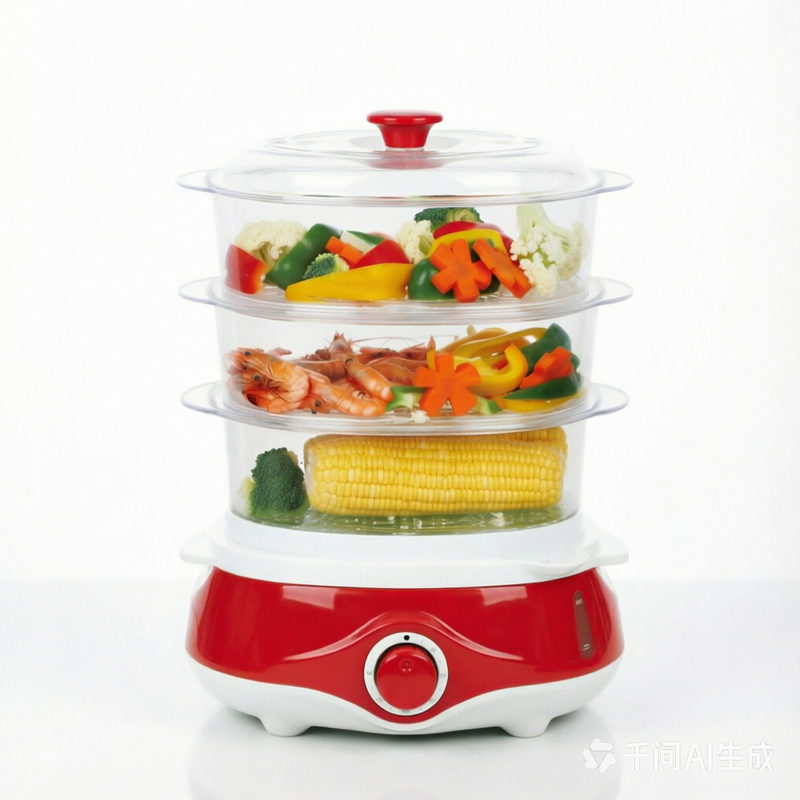
Kangye KYS-303A 3-Tier Electric Food Steamer — 11L Large Capacity with 60-Min Timer & Auto Shut-Off
Whether you need compact countertop steamers or large-capacity commercial units, Kangye provides flexible manufacturing solutions for importers, distributors, and brand owners. Browse our product catalog to learn more, or contact our sales team for OEM/ODM inquiries.
Steam Cooker vs Combi Oven: Which Should You Choose?
A common question among commercial buyers is whether to purchase a dedicated steam cooker or a combi oven. Here is how they compare:
- Steam-only cookers excel at high-volume steaming — vegetables, rice, seafood, dumplings. They are more affordable and energy-efficient for dedicated steam tasks.
- Combi ovens offer versatility — steam, convection, and combination modes. They replace multiple appliances but cost 30–50% more than equivalent-capacity steamers.
- If your menu is 25% or more steam-cooked items, a dedicated steam cooker provides better ROI.
- If space is limited and you need both steam and dry-heat cooking, a combi oven may be the better choice.
Market Trends in Commercial Steam Cooking (2025–2026)
The commercial steam cooker market is evolving rapidly. Key trends shaping the industry include:
- Smart connectivity: IoT-enabled steamers with remote monitoring, recipe management, and predictive maintenance alerts
- Energy efficiency: Newer models consume 15–20% less energy through better insulation and heat recovery systems
- Multi-function integration: Steam + air fry + convection combos gaining popularity in both commercial and residential segments
- Sustainability focus: Manufacturers adopting eco-friendly materials and water-saving technologies
- Automation: Automated cooking programs and self-cleaning functions reducing labor dependency
Frequently Asked Questions About Steam Cookers
How long do commercial steam cookers last?
With proper maintenance and water treatment, a quality commercial steam cooker can last 10–15 years. Connectionless models generally require less maintenance and have longer lifespans.
What maintenance do steam cookers require?
Regular descaling (every 1–3 months depending on water hardness), daily drain line cleaning, gasket inspection, and periodic element checks are recommended.
Can I cook different foods at the same time?
Yes. Steam cookers allow simultaneous cooking of different foods without flavor transfer, making them ideal for multi-item meal preparation.
Do steam cookers need special plumbing?
Connectionless models need no plumbing — just fill the water reservoir. Boiler-based and plumbed models require a water line connection and proper drainage.
Are steam cookers energy efficient?
Yes. Steam cookers are among the most energy-efficient commercial cooking appliances. Steam transfers heat more efficiently than hot air, reducing both cooking time and energy consumption.
Conclusion: Making the Right Choice for Your Business
Choosing the right steam cooker involves evaluating your menu, volume, kitchen layout, utility availability, and budget. Start by defining your daily meal volume, then match it to the appropriate capacity and configuration. Consider total cost of ownership, not just the purchase price, and select a manufacturer with proven quality, certifications, and after-sales support.
For importers and distributors looking for reliable OEM/ODM partners, Kangye offers customizable steam cooker solutions backed by years of manufacturing expertise. Whether you need compact countertop models or large commercial units, Kangye's team can help bring your product vision to life. Get in touch to discuss your requirements.