Sustainability in Appliance Manufacturing: Regulations, Innovation, and the Path Forward
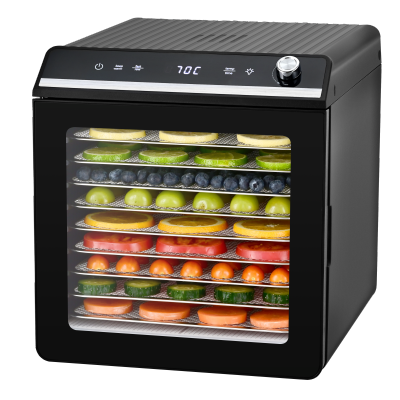
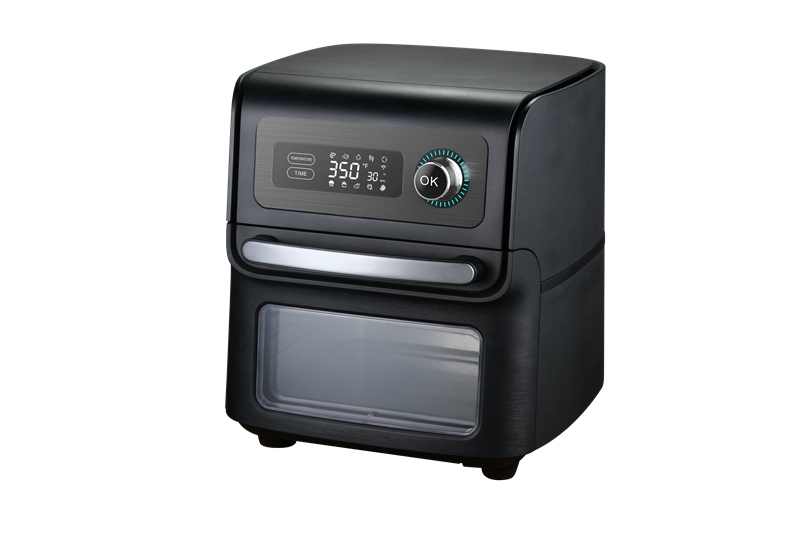
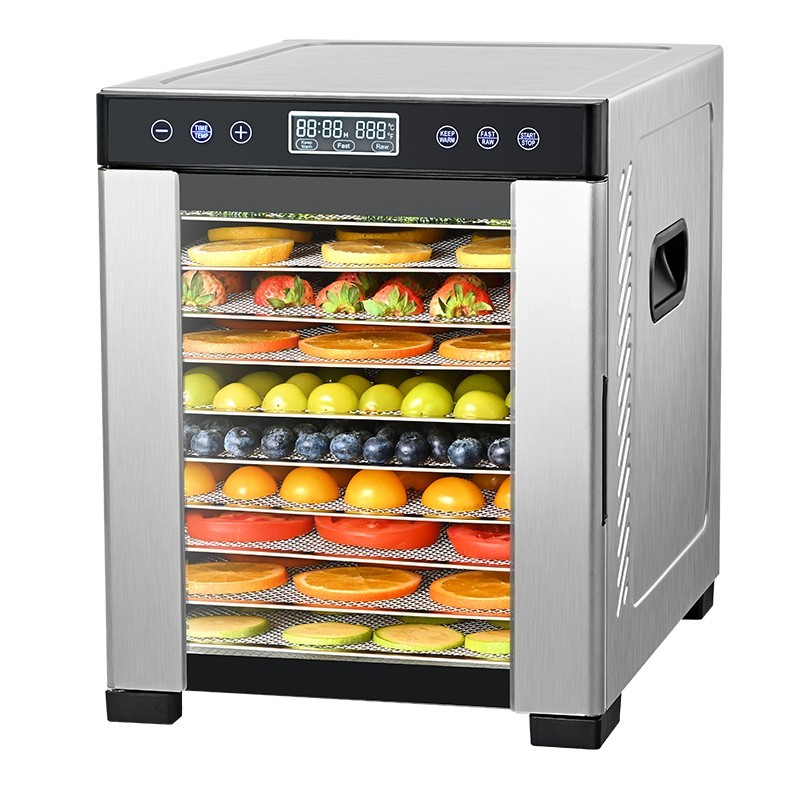
The global kitchen appliance industry is undergoing a fundamental transformation. Driven by tightening environmental regulations, rising energy costs, and shifting consumer expectations, sustainability has evolved from a marketing differentiator to an operational imperative. For manufacturers, OEM suppliers, and global buyers alike, understanding the sustainability landscape is no longer optional — it is essential for long-term competitiveness. In 2025 alone, the European Union's Ecodesign for Sustainable Products Regulation (ESPR) came into full effect, requiring products sold in the EU market to meet stringent durability, repairability, and recyclability standards. Similar regulatory frameworks are emerging in North America and Asia-Pacific, creating a global push toward greener manufacturing practices. This article examines the key drivers of sustainability in appliance manufacturing and what they mean for B2B buyers sourcing from China. The regulatory environment for appliance manufacturing has become significantly more demanding. The EU's ESPR, which took effect in July 2024, mandates that all products placed on the European market must comply with ecodesign requirements covering energy efficiency, material sourcing, repairability, and end-of-life recyclability. Large enterprises have been required to comply since July 2026, with medium-sized businesses following by 2030. In China, the new GB 30720-2025 standard for gas cooking appliances, effective March 2026, raises the minimum thermal efficiency for gas stoves from 63% to 70% — an unprecedented jump that has already eliminated nearly half of existing products from the market. Similarly, updated energy efficiency standards for refrigerators (GB 12021.2-2025) take effect in June 2026, raising the energy efficiency bar by 20-30% across all categories. For B2B buyers, these regulations mean that sourcing partners must demonstrate compliance through certified testing, proper documentation, and transparent supply chain practices. Manufacturers like Kangye Electric Appliance, which invest in certified testing facilities and maintain up-to-date compliance documentation, offer significant advantages in navigating this complex regulatory environment. Energy efficiency remains the cornerstone of sustainable appliance design. Induction cooking technology, for example, delivers up to 90% energy efficiency compared to 55-65% for gas cooking, making it a compelling choice for energy-conscious markets. Heat pump technology in dishwashers has reduced energy consumption by 30-40% in current-generation models by recovering heat from exhaust air and redirecting it into the wash cycle. For OEM manufacturers, achieving these efficiency gains requires investment in several key areas: PID temperature controllers and inverter-driven motors optimize energy use by maintaining precise operating parameters and reducing standby power consumption. Vacuum insulation panels (VIPs) and advanced foam insulation reduce thermal loss in ovens, dehydrators, and refrigeration appliances by up to 40%. New-generation heating elements with optimized surface area and material composition achieve faster heat-up times and more uniform temperature distribution. Kangye Electric Appliance incorporates these technologies across its product lines, from energy-efficient food dehydrators and air fryers to commercial-grade cooking equipment designed for minimal energy waste. The materials used in appliance manufacturing have a significant environmental impact, from raw material extraction through production to end-of-life disposal. Leading manufacturers are addressing this through several strategies: Recycled Content: Increasing the proportion of recycled steel, aluminum, and plastics in appliance construction reduces the carbon footprint of raw material production. Recycled aluminum requires 95% less energy to produce than virgin aluminum, while recycled steel saves approximately 60% in energy costs. Elimination of Hazardous Substances: Compliance with RoHS (Restriction of Hazardous Substances) directives and REACH regulations ensures that appliances are free from lead, mercury, cadmium, and other harmful materials. This is now a baseline requirement for all exports to the EU market. Sustainable Packaging: Transitioning from expanded polystyrene (EPS) to molded pulp, corrugated cardboard, and biodegradable alternatives reduces packaging waste. Many OEM buyers now specify minimum recycled content requirements for packaging materials. Material Reduction: Design optimization techniques, including finite element analysis (FEA) and topology optimization, allow manufacturers to use less material while maintaining structural integrity. This reduces both production costs and environmental impact. Sustainability in appliance manufacturing extends beyond product design to the production process itself. Factory-level initiatives that reduce environmental impact include: Kangye operates its manufacturing facilities with these principles, continuously improving production efficiency while reducing environmental impact. For global buyers, partnering with manufacturers that prioritize process-level sustainability ensures more stable, compliant, and future-proof supply chains. One of the most impactful sustainability strategies is designing products that last longer and are easier to repair. The EU's ESPR explicitly requires manufacturers to make spare parts available for a minimum period — typically 7 to 10 years after the last unit of a model is placed on the market. This "right to repair" movement is gaining traction globally, with similar legislation under consideration in the United States, Canada, and Australia. For appliance manufacturers, this means: These design principles not only extend product life and reduce waste but also build brand trust and customer loyalty — particularly important for B2B relationships where long-term reliability is paramount. Modern sustainability requirements demand end-to-end visibility into the supply chain. The EU's Digital Product Passport (DPP) system, being rolled out between 2026 and 2030, will require manufacturers to provide detailed information about a product's materials, origin, environmental footprint, and recyclability through a QR-code-accessible digital record. For Chinese OEM manufacturers and their international buyers, this creates both challenges and opportunities. Manufacturers with established quality management systems (ISO 9001), environmental management systems (ISO 14001), and supply chain traceability platforms are better positioned to meet these requirements. Kangye Electric Appliance maintains comprehensive documentation for all materials and components used in its products, enabling rapid compliance with emerging transparency regulations. While sustainability investments require upfront capital, the long-term business case is compelling. A 2025 industry analysis found that manufacturers with comprehensive sustainability programs achieved: Beyond direct cost savings, sustainable manufacturing practices open doors to premium market segments, government procurement contracts, and long-term partnerships with environmentally conscious brands. For OEM buyers, selecting a manufacturing partner with demonstrated sustainability credentials reduces supply chain risk and strengthens their own environmental, social, and governance (ESG) reporting. The transition to sustainable appliance manufacturing is not a passing trend — it is a structural shift that will define the industry for decades to come. From regulatory compliance in the EU and China to evolving buyer expectations in North America and Asia, the pressure to adopt sustainable practices is mounting from all directions. For B2B buyers and distributors, the key takeaway is clear: choose manufacturing partners who demonstrate real commitment to sustainability through certified management systems, transparent supply chains, and documented compliance with international standards. Kangye Electric Appliance combines decades of manufacturing expertise with a forward-looking approach to sustainability, helping global partners navigate this transition with confidence. Explore our full range of sustainable kitchen appliances or contact our team to discuss your OEM requirements. The most significant regulations include the EU Ecodesign for Sustainable Products Regulation (ESPR), China's GB 30720-2025 gas stove efficiency standard, China's GB 12021.2-2025 refrigerator standard, and the EU Digital Product Passport requirements rolling out through 2030. Look for ISO 14001 environmental management certification, ISO 50001 energy management certification, RoHS and REACH compliance documentation, product-specific energy efficiency certifications (ERP, Energy Star), and third-party audit reports on factory operations. The DPP is an EU requirement that mandates digital documentation of a product's materials, origin, and environmental impact. Products without a valid DPP will not be allowed on the EU market. Manufacturers must have traceability systems in place to provide this data. While initial investments in sustainable processes may increase upfront costs, long-term operational savings from energy efficiency, waste reduction, and compliance efficiency typically offset these investments within 2-3 years. Additionally, sustainable products often command premium pricing in environmentally conscious markets.Introduction: Why Sustainability Matters in Appliance Manufacturing
Regulatory Drivers: The New Compliance Landscape
Energy Efficiency: The Core of Sustainable Design
Advanced Control Systems
Improved Insulation
Efficient Heating Elements
Material Innovation: Reducing Environmental Footprint
Manufacturing Process Optimization
Product Longevity and Repairability
Supply Chain Transparency and Traceability
The Business Case for Sustainable Manufacturing
Metric
Conventional Manufacturing
Sustainable Manufacturing
Energy cost per unit
Baseline
−15% to −25%
Material waste rate
5-8%
2-3%
Regulatory compliance cost
High (reactive)
Low (proactive)
Buyer preference score
Baseline
+35% to +50%
Product lifecycle cost
Higher
Lower
Conclusion: Partnering for a Sustainable Future
Frequently Asked Questions
What are the key sustainability regulations affecting appliance manufacturers in 2026?
How can OEM buyers verify a manufacturer's sustainability credentials?
What is the Digital Product Passport and how does it affect my sourcing?
Does sustainable manufacturing increase product costs?