The Global Food Dehydrator Market in 2026: Trends, Growth Drivers & Opportunities
Introduction: A Market on the Rise
The global food dehydrator market has entered a period of sustained growth, driven by converging consumer trends in health consciousness, food waste reduction, and home food preservation. In 2026, the market is projected at approximately $2.7-3.7 billion depending on methodology, with growth rates ranging from 5.9% to 6.8% CAGR through the early 2030s. This analysis examines key market dynamics, regional variations, technological trends, and strategic opportunities for OEM manufacturers.
Market Size and Growth Projections 2026-2035
The market is estimated at $2.36 billion in 2026 (Coherent Market Insights), growing to $3.52 billion by 2033 at 5.9% CAGR. Other analysts report $2.7-3.2 billion for 2026 with growth to $5.1-5.78 billion by 2035-2036, reflecting 6.4-6.8% CAGR. The residential segment accounts for approximately 51% of market share. Key factors include rising health awareness increasing demand for preservative-free snacks, the growing popularity of DIY food preservation, and expanding e-commerce distribution channels.
Regional Market Analysis: North America Leads, Asia Pacific Accelerates
North America dominated with approximately 34.8% market share in 2026, driven by high jerky consumption and home food preservation culture. Asia Pacific is the fastest-growing region at 22.8% share, with India and China leading. High fruit and vegetable production and increasing awareness of post-harvest losses (FAO reports fruits and vegetables have the highest global food loss rate at 25.4%) drive demand. For OEM manufacturers like Kangye, Asia Pacific growth presents significant regional distribution opportunities.
Consumer Trends Driving Market Growth
Four major trends fuel adoption: health and wellness consciousness driving demand for preservative-free snacks, the persistent home cooking renaissance, food waste reduction priorities (UN FAO reports nearly 30% of global food is wasted), and the clean-label movement where consumers want complete ingredient transparency. The International Food Information Council reported 43% of Americans aimed to lose weight in 2023, up from 34% in 2022.
Technology Trends Shaping the Industry
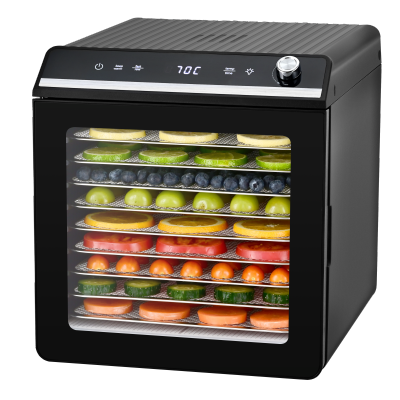
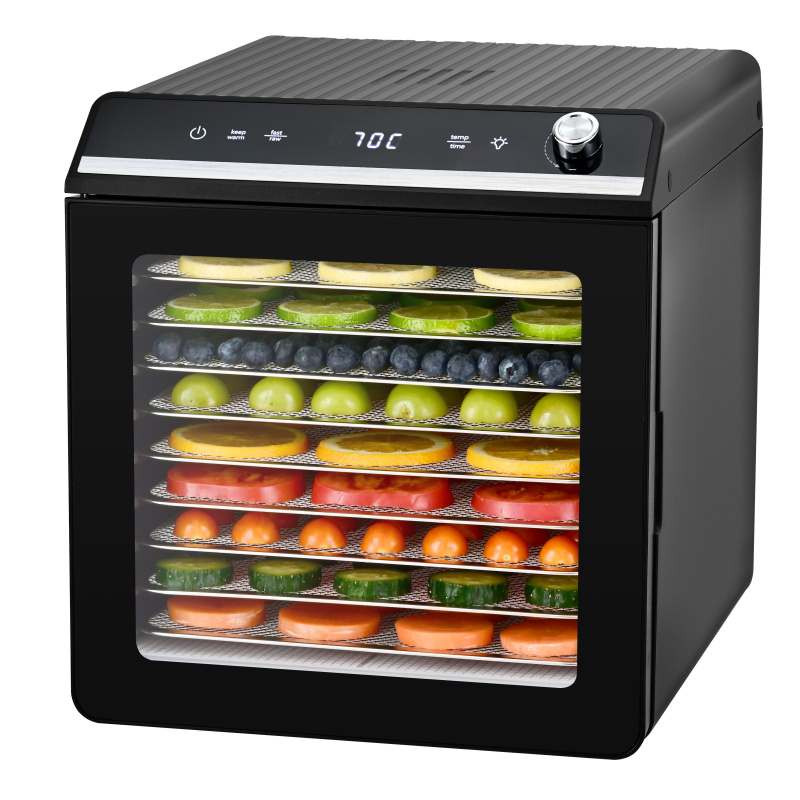
Smart dehydrators with IoT connectivity enable remote monitoring. Digital PID controllers maintain precise temperatures within ±1-2°F. Dual-zone drying technology allows independent settings for different sections. Energy-efficient designs reduce consumption by 15-25%. Horizontal airflow technology gains share as consumer education improves. Kangye integrates these technologies into our product lines for competitive differentiation.
Commercial Segment Growth: From Home to Business
The commercial segment grows as small food businesses adopt dehydration for jerky production, plant-based meat alternatives, and functional snacks. Regulatory requirements including FDA FSMA drive demand for dehydrators with data logging. Kangye commercial models feature stainless steel construction and digital controls for continuous operation.
Distribution Channel Evolution: E-Commerce Dominance
Online channels now account for a substantial share of residential dehydrator sales. Third-party platforms and D2C brand websites facilitate purchasing. For B2B channels, online marketplaces connect global buyers with manufacturers. Kangye leverages digital channels to offer factory-direct pricing with no middlemen.
Competitive Landscape: Key Players and Market Positioning
Major players include Excalibur (premium), NESCO/LEM Products (mid-range), COSORI (digital-native), Hamilton Beach (mass market), and Presto (entry level). In OEM manufacturing, Kangye differentiates through comprehensive customization, competitive pricing, ISO-certified quality, and flexible MOQ policies.
Sustainability and Regulatory Considerations
Energy efficiency standards tighten in Europe and North America. Material sustainability and BPA-free compliance become market requirements. Kangye manufacturing processes are ISO 14001 certified with CE, RoHS, and FDA compliance for global markets.
Opportunities for OEM Partners
The market offers strong fundamentals with steady growth, accessible e-commerce distribution, and rising consumer interest in healthy eating. Kangye offers end-to-end support from design through production, quality control, and logistics for private-label or wholesale partnerships.
Conclusion: A Growing Market with Clear Direction
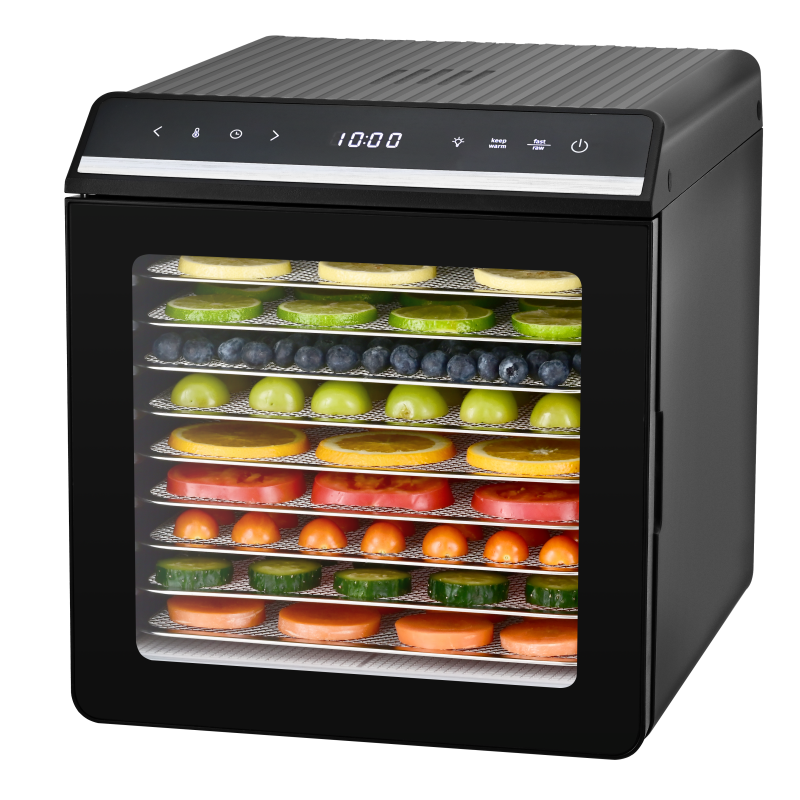
With 6-7% CAGR projected through 2035, the food dehydrator market offers sustained demand. Kangye is strategically positioned with horizontal-flow food dehydrators and OEM expertise. Contact us to explore partnership opportunities.