Built-in vs Freestanding vs Portable Gas Grill: Which Configuration Is Right for Your Business?
Built-in vs Freestanding vs Portable Gas Grill: Which Configuration Is Right for Your Business?
When sourcing gas grills for your product lineup, one of the first and most important decisions is choosing the right configuration. Gas grills come in three primary form factors — built-in, freestanding, and portable — and each serves a distinct market segment with different customer expectations, price points, and installation requirements. For global importers, distributors, and retailers, understanding these differences is essential for aligning inventory with end-user demand. This guide provides a comprehensive comparison of the three gas grill types, helping you make informed sourcing decisions for your target market.
Understanding the Three Gas Grill Configurations
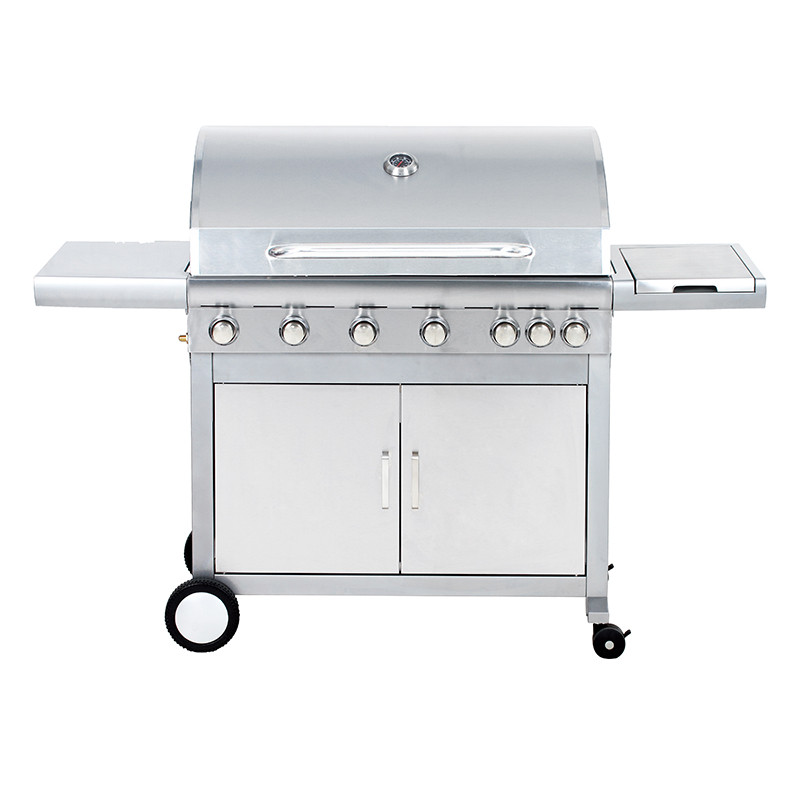
Each gas grill configuration serves a different customer profile and use case. Built-in grills integrate into outdoor kitchen islands for a permanent, high-end cooking solution. Freestanding grills sit on wheeled carts and offer mobility and versatility. Portable grills are compact, lightweight units designed for travel, camping, tailgating, and small-space living. The table below summarizes the core differences that define each category:
| Feature | Built-in Gas Grill | Freestanding Gas Grill | Portable Gas Grill |
|---|---|---|---|
| Installation | Professional, permanent | DIY assembly, movable | No installation required |
| Typical Price Range (Retail) | $2,000 - $8,000+ | $300 - $3,000 | $50 - $500 |
| Cooking Area | 500 - 1,000+ sq in | 400 - 900 sq in | 150 - 350 sq in |
| Burner Count | 3 - 6+ burners | 2 - 6 burners | 1 - 3 burners |
| Fuel Type | Natural gas or propane | Propane or natural gas | Propane only |
| Target Customer | Homeowners building outdoor kitchens | Families, patio owners | Campers, tailgaters, apartment dwellers |
| Lifespan | 10 - 20 years | 5 - 10 years | 2 - 5 years |
Built-in Gas Grills: The Premium Outdoor Kitchen Centerpiece
Built-in gas grills are designed to be installed directly into an outdoor kitchen island, masonry structure, or custom surround. They offer the most seamless, aesthetically refined cooking experience and are favored by homeowners who are building permanent outdoor living spaces. The grill head slides into a cutout, connecting to a fixed gas line — typically natural gas — for uninterrupted fuel supply.
From a manufacturing perspective, built-in grills use heavier-gauge stainless steel, often Type 304, and feature more robust construction than their freestanding counterparts. Double-wall fireboxes, infrared searing burners, and rotisserie systems are common at this tier. Because the grill is protected by the surrounding structure, the exterior finish can be more minimal, with the focus placed entirely on cooking performance and material durability.
Market demand drivers for built-in gas grills:
- Growing residential outdoor kitchen construction, especially in warm-climate regions
- Increasing home resale value premium attached to built-in outdoor cooking setups
- Consumer preference for integrated, high-end aesthetics over standalone appliances
- Longer product lifespan reduces replacement frequency for homeowners
For B2B buyers, sourcing built-in grills requires close attention to cutout dimensions — these must match standard outdoor kitchen island openings. Kangye offers OEM/ODM manufacturing for built-in gas grill models with customizable specifications, allowing brands to align with regional installation standards and design preferences.
Freestanding Gas Grills: The Versatile Volume Segment
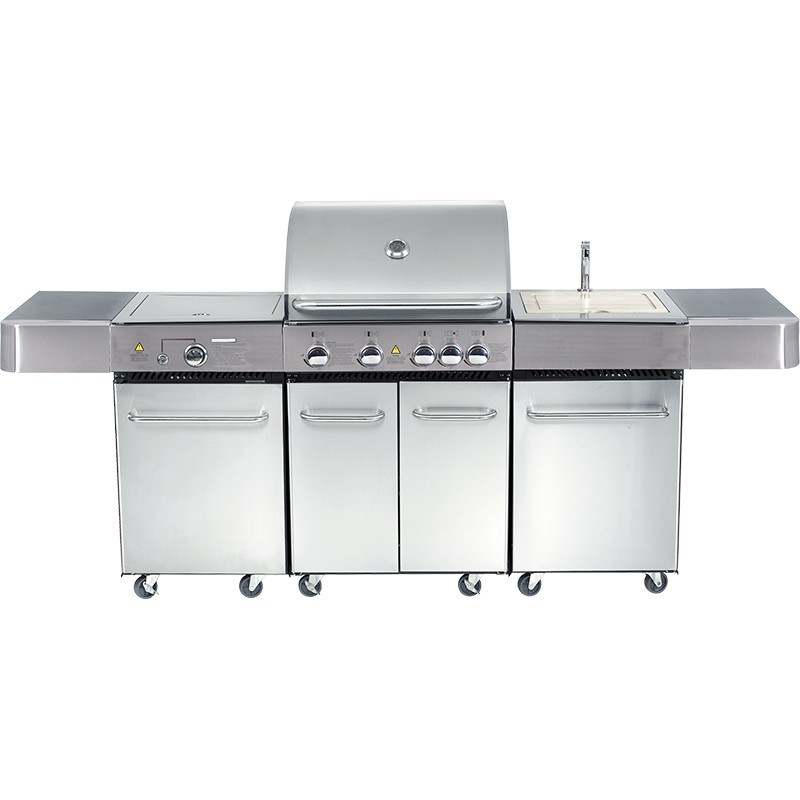
Freestanding gas grills are the most popular configuration globally, accounting for the largest share of gas grill sales. Mounted on a wheeled cart with storage cabinets and side shelves, these grills offer the best balance of performance, price, and flexibility. Customers can move them across the patio, store them during off-season, and take them when relocating homes.
The freestanding category spans a wide price spectrum. Entry-level models with painted steel construction and basic burners retail for under $500, while premium models with 304 stainless steel fireboxes, cast iron grates, and side burners command $1,000 to $3,000. The cooking area typically ranges from 400 to 900 square inches, with burner counts from two to six.
Key selling points for freestanding gas grills:
- Easy assembly and immediate use — no professional installation needed
- Mobility allows repositioning for parties, weather, or storage
- Wide price range accommodates budget-conscious to premium buyers
- Larger selection of models, sizes, and feature combinations
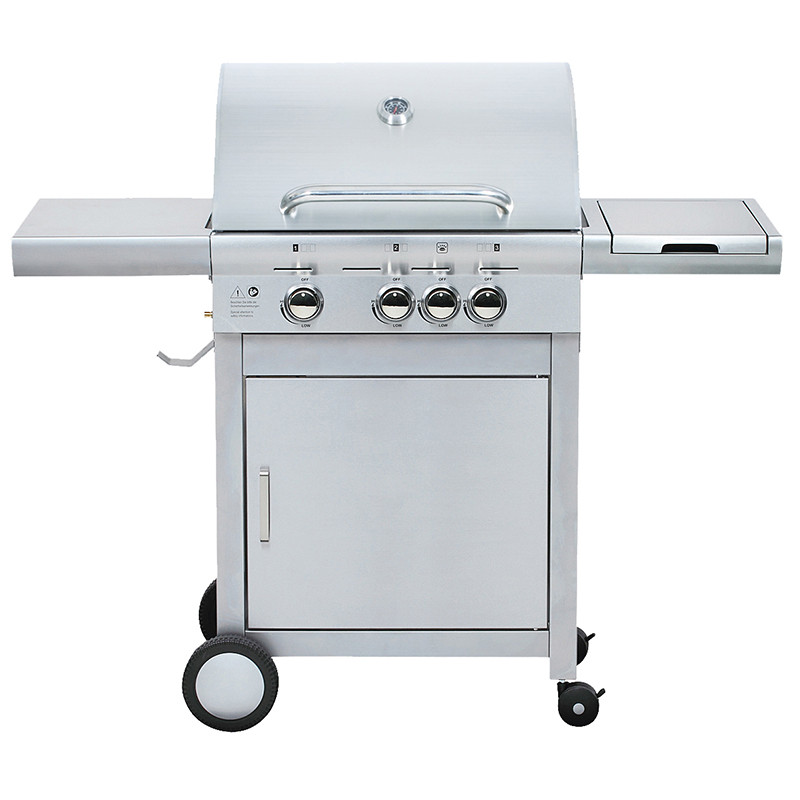
Kangye's freestanding gas grill lineup includes models ranging from compact 3-burner units to extra-large 6-burner configurations with side burners, catering to diverse market needs. The KYQ-61S 6-Burner Commercial Gas BBQ Grill, for example, delivers 18.9kW total power with heavy-duty cast iron cooking grids — ideal for the commercial and premium residential segments.
Portable Gas Grills: Compact Cooking for On-the-Go Lifestyles
Portable gas grills are designed for mobility above all else. Small, lightweight, and running exclusively on disposable or small refillable propane cylinders, they cater to camping enthusiasts, tailgaters, RV travelers, and apartment dwellers with limited balcony space. The cooking area is typically 150 to 350 square inches with one to three burners.
While portable grills cannot match the heat output or temperature control of full-size models, they fulfill a distinct and growing market need. The post-pandemic surge in outdoor recreation has boosted demand for portable cooking solutions. According to industry data, the global portable grill market is projected to grow at a CAGR of over 6% through 2030, driven by increasing participation in camping, hiking, and outdoor dining.
Considerations when sourcing portable gas grills:
- Weight and packed dimensions are critical for portability
- Safety certifications for propane use in confined or transport settings
- Heat output must balance performance with fuel efficiency
- Ease of cleaning and compact storage features drive repeat purchases
Comparing Heat Output: BTU Ratings Across Configurations
BTU (British Thermal Unit) ratings are the most commonly cited performance metric for gas grills, but comparing raw BTU numbers across configurations can be misleading. A more meaningful measure is BTU per square inch of cooking surface. For built-in grills, 80-100 BTU per square inch is the sweet spot for efficient searing and heat recovery. Freestanding grills in the mid-range to premium tiers achieve similar density, while portable grills often operate at higher BTU-per-square-inch ratios to compensate for their smaller cooking areas.
Burner design matters as much as total output. Well-designed tubular burners with even flame distribution outperform cheaper bar burners with higher BTU claims. Kangye's grills use precision-engineered stainless steel burners with consistent flame ports, ensuring even heat distribution across the entire cooking surface regardless of configuration.
Material Quality and Durability by Grill Type
Material selection directly impacts both manufacturing cost and product lifespan. The gas grill industry commonly uses three grades of stainless steel: Type 304 (18/8 chromium-nickel), Type 430 (ferritic), and Type 201 (lower nickel content). Type 304 is the premium choice for fireboxes, burner tubes, and exterior panels in built-in and high-end freestanding grills, offering superior corrosion resistance, especially in coastal environments.
Cooking grate material is another differentiator. Cast iron grates provide the best heat retention and searing performance but require seasoning and maintenance. Porcelain-coated cast iron offers a lower-maintenance alternative while retaining good heat properties. Stainless steel grates are rust-resistant but do not match cast iron's heat retention. For portable grills, lightweight enamel-coated steel or small cast iron grates are common, balancing portability with cooking performance.
Installation, Mobility, and Total Cost of Ownership
The installation requirements differ drastically across the three configurations and directly affect total cost of ownership. Built-in grills demand professional installation — gas line hookup, electrical connections, ventilation planning, and structural support for the surrounding island. This adds $500 to $3,000 beyond the grill's purchase price. However, once installed, built-in grills typically last 10 to 20 years with proper maintenance, amortizing the upfront investment over a longer service life.
Freestanding grills offer a much lower barrier to entry. Most models assemble in 30 to 60 minutes with basic tools. The ability to move the grill for cleaning, storage, or seasonal use adds practical value that many homeowners appreciate. Total ownership cost rarely exceeds the purchase price plus propane refills, making this the most accessible segment.
Portable grills have the lowest total cost of ownership but also the shortest lifespan. Their compact size and light construction mean replacement every 2 to 5 years depending on usage frequency. For B2B buyers, this creates a recurring replacement market opportunity — customers who buy portable grills often upgrade to larger configurations as their outdoor cooking habits evolve.
Market Trends Shaping Gas Grill Demand
Several macro trends are influencing gas grill purchasing patterns across all three configurations. The outdoor kitchen movement continues to gain momentum in North America, Australia, and parts of Europe, driving demand for built-in grills and matching outdoor kitchen components. Meanwhile, the rise of apartment and condo living in urban areas is sustaining portable grill demand, particularly in markets where balcony cooking is permitted.
Sustainability and energy efficiency are increasingly important to consumers. Grills with higher thermal efficiency — more cooking power per BTU — appeal to environmentally conscious buyers. Multi-burner configurations that allow zone cooking also reduce fuel waste by letting users heat only the area they need. As a manufacturer committed to sustainable production practices, Kangye designs its grills with optimized burner efficiency and durable materials that minimize long-term waste.
For more insights on sustainability in appliance manufacturing, read our article on Sustainability in Appliance Manufacturing.
Sourcing Considerations for Each Configuration
When building your product lineup, consider how each configuration fits your distribution channels and target customers:
- Built-in grills are best suited for specialty outdoor living retailers, kitchen designers, and high-end home improvement chains. They require technical product knowledge and after-sales support for installation.
- Freestanding grills have the broadest retail appeal — from big-box home centers to online marketplaces. Inventory turnover is faster, and the category benefits from repeat buyers upgrading to larger models.
- Portable grills sell well through camping and outdoor recreation retailers, RV accessory stores, and e-commerce channels targeting mobile lifestyles.
Kangye supports all three configurations through flexible OEM and ODM manufacturing, with minimum order quantities suited to both established distributors and emerging brands. Our engineering team can adapt existing designs or develop custom models to your specifications.
Making the Right Choice: A Decision Framework
Choosing the right gas grill configuration for your business depends on your target market, distribution channels, and customer demographics. Use this decision framework to guide your sourcing strategy:
- For established outdoor kitchen brands with contractor networks: prioritize built-in grills with premium materials and consistent cutout dimensions.
- For general home improvement retailers with broad customer bases: lead with freestanding grills across multiple price tiers, supplemented by portable models for seasonal promotions.
- For outdoor recreation and camping retailers: focus on portable grills with compact designs, easy ignition, and rapid heat-up.
- For full-line distributors serving multiple channels: consider a balanced mix of all three configurations to capture demand across the entire market spectrum.
Interested in exploring our gas grill manufacturing capabilities? Browse our complete product catalog or contact our sales team to discuss your sourcing requirements.
Featured Product: 6-Burner Commercial Gas BBQ Grill KYQ-61S
| Model | KYQ-61S |
|---|---|
| Burners | 6 main + 1 side |
| Total Power | 18.9 kW |
| Material | SUS430 lid, enamel firebox |
| Cooking Grids | Cast iron, 2 pcs + 1 plate |
| MOQ | 160 pcs / 40HQ |