Electric vs Gas Pizza Oven: Home and Commercial Considerations
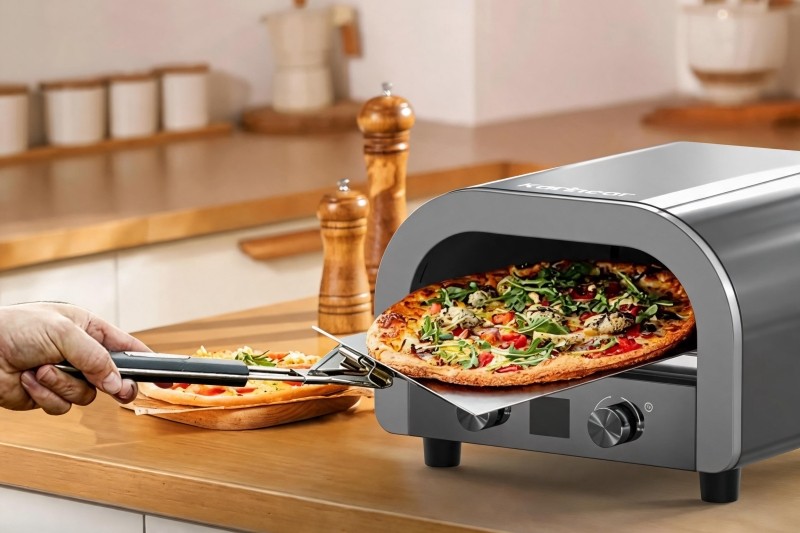
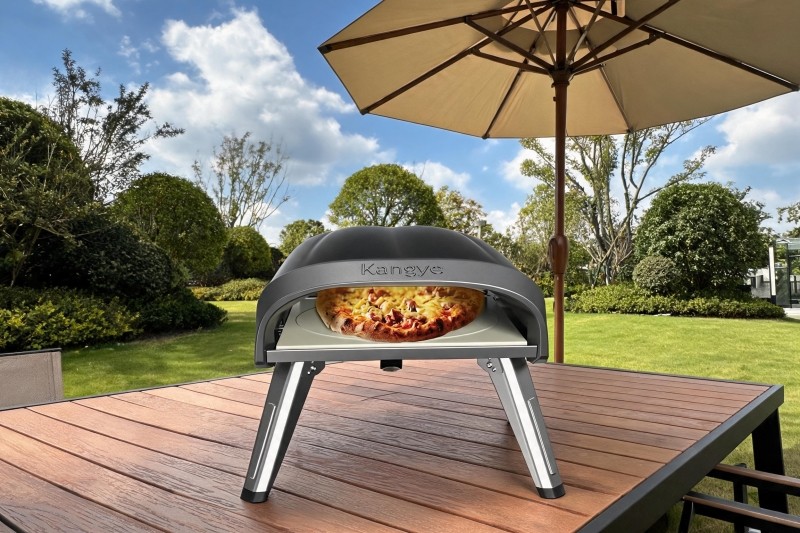
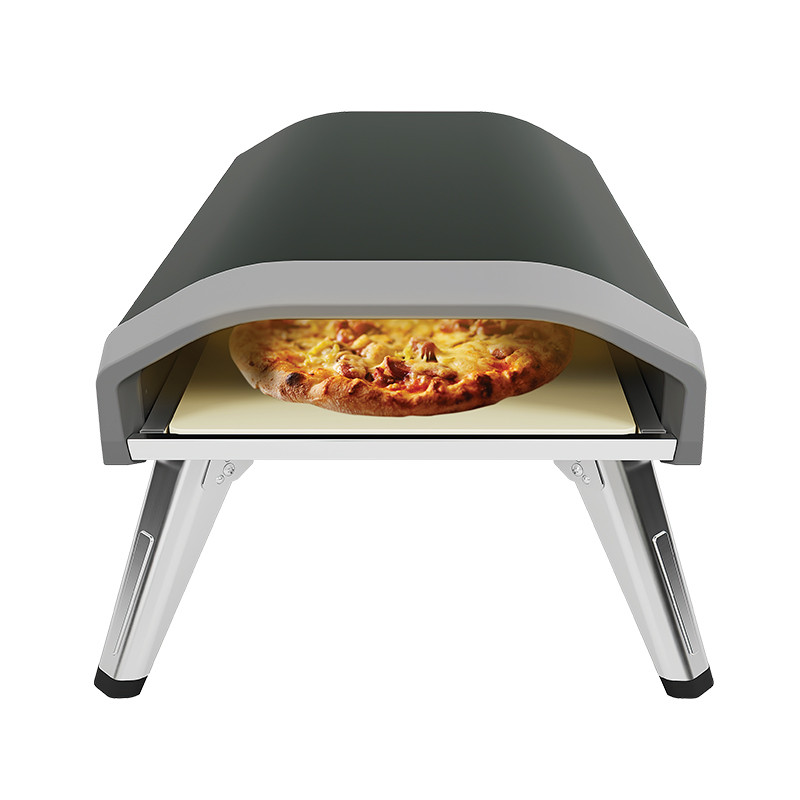
The electric vs gas pizza oven decision shapes everything downstream — where the product can be used, how hot it gets, what it costs to run, how it is installed, and which markets it can legally serve. In short: gas pizza ovens reach higher temperatures (up to 950°F / 510°C in premium portable models) and recover heat faster, which is why they dominate authentic Neapolitan-style baking; electric pizza ovens cap out around 750–850°F but work indoors, need no fuel or venting, and offer the most predictable operating costs. For importers, brands, and distributors planning an outdoor pizza oven line, the fuel choice is the first sourcing decision — and it determines the factory partners, certifications, and price points you can realistically build around. This buyer's guide compares the two technologies across temperature performance, cooking style, operating costs, installation, safety compliance, and commercial preference — then translates the analysis into concrete specifications for an RFQ. We also look at how Kangye, an OEM/ODM manufacturer in Guangdong, China, engineers its 4kW gas pizza ovens (KYQ-KPS12A/B) around the requirements this guide covers. Unlike an air fryer or a steam cooker, a pizza oven's fuel source is not an interchangeable feature — it is the product's core architecture. Change the fuel and you change the heating system, the enclosure materials, the certification program (IEC 60335-2-9 for household heating appliances applies to both, but gas appliances add combustion, gas-leak and ventilation requirements that electric units do not have), the user's installation burden, and the target market itself. The stakes are visible in the market data. The global pizza oven market was valued at roughly US$1.97 billion in 2026 and is projected to reach US$2.50 billion by 2031 (about 4.8% CAGR), with North America accounting for roughly 42% of that value — the U.S. market alone sits near US$800 million and is growing faster than the global average at around 6.1% CAGR. Within that mix, gas pizza ovens hold the largest fuel share at roughly 40–46% globally, while electric models are the fastest-growing indoor segment, particularly in Europe where carbon pricing and renewable-energy integration favor low-emission foodservice equipment. Our industry analysis of why outdoor cooking appliances are booming covers the demand drivers in more depth. For a sourcing professional, the practical question is not "which is better" but "which product should I build for which customer." The answer requires understanding four performance and cost dimensions: temperature ceiling, cooking style, operating economics, and installation/compliance burden. Authentic Neapolitan pizza — the style that drives the premium end of the market — is defined by the Associazione Verace Pizza Napoletana (VPN) standard, which requires a stone temperature around 485°C (905°F) and a bake time of 60–90 seconds. That benchmark is the reference point for every comparison below. The physics behind the table: combustion releases heat directly into the chamber and can be tuned to very high energy densities, while residential electric circuits limit heating elements — a standard 120V/15A circuit caps an indoor electric oven at about 1,800W, and even 240V units used outdoors rarely exceed 4–6kW without commercial wiring. That ceiling is why the gas segment leads the premium home market and why electric manufacturers compete on convenience and repeatability instead of peak temperature. Electric pizza ovens have improved dramatically over the past five years, and their strengths are genuine — not marketing: The honest limitations are equally clear. Peak temperature tops out around 750–850°F in the best models, which falls short of the 900°F+ Neapolitan benchmark — you can make excellent pizza, but not the 90-second leopard-spotted Neapolitan crust in the way a 950°F gas flame can. Recovery between consecutive bakes is slower, so high-volume back-to-back sessions need larger commercial units. And budget electric ovens that cap at 500°F are really glorified convection ovens — they bake a decent New York-style pie but cannot produce the char that defines dedicated pizza ovens. Gas pizza ovens — propane in portable models, natural gas in built-in or commercial installations — are the mainstream leader in the global market for concrete reasons: The trade-offs are structural. Gas ovens are outdoor-only appliances: combustion produces carbon monoxide, so indoor use without dedicated exhaust is unsafe — this is a hard market-access constraint, not a preference. Users must manage fuel logistics (tanks, refills, or a gas line installation that runs US$500–2,000 depending on distance and permitting). Gas burners need annual service, and commercial gas installations require Type I exhaust hoods under the International Mechanical Code — hoods that can cost US$3,000–15,000 to install. There is also a real learning curve: managing stone temperature across multiple pizzas takes practice, and beginner mistakes — scorching the stone or losing heat — are common. Operating economics flip depending on use case, so the right comparison is not "electric vs gas" in the abstract — it is the cost per session at your volume level: Two patterns emerge. For home and low-volume use, total running cost is low for both fuels — the purchase price and the user's living situation dominate the decision. For commercial use, gas wins on energy cost in most U.S. markets, but electric wins on installation and cleaning labor; PMQ's operator surveys capture both sides, including one electric user who reported saving about US$426 per month in operating costs after switching from gas, and another citing multiple hours of weekly cleaning saved. There is no universal answer — there is only the math for your customer's context. Compliance is where fuel choice becomes a market-access question, and it is the section your certification team should read carefully: For OEM buyers, the compliance consequence is direct: a gas pizza oven line requires gas-certified components (regulators, valves, jets, thermocouple flame-failure devices), so the factory choice matters more than for a pure electric line. Our guide to electrical ratings and voltage specifications covers the electrical half of the equation; gas adds a second, parallel compliance track. Commercial preference is the strongest signal for what sells. Industry surveys of restaurant operators (PMQ and trade sources) consistently find: As one consultant who has worked with both systems at scale puts it: "It's all about the style of pizza an operator desires to make." For an importer, that translates into a portfolio question — do you serve the premium Neapolitan segment (gas), the convenience/indoor segment (electric), or both? When you send an RFQ to a factory, translate the analysis above into testable specifications: For the full sourcing journey — factory audits, samples, and quality control — our step-by-step OEM sourcing guide and our gas pizza oven buying guide cover the process end to end. And if you need the engineering detail behind burner design, stone materials, and heat distribution, our deep-dive on gas pizza oven design walks through it. Kangye's KYQ-KPS12A and KYQ-KPS12B are 4kW gas pizza ovens engineered around the performance this guide covers: high-heat baking with a 12-inch (335×335mm) cordierite pizza stone, a built-in thermometer for temperature management, and a compact 668×425×290mm footprint that ships efficiently. The KPS12A features a stainless steel inner housing with high-temperature powder-coated exterior; the KPS12B offers a cast aluminum construction with rapid preheat to 400°C. Both are built for outdoor use and available for OEM/ODM programs. It depends on the use case. Gas reaches higher temperatures (up to 950°F in premium portable models) and recovers heat faster, which is essential for authentic 90-second Neapolitan pizza — and gas wins on energy cost in most commercial settings. Electric ovens are the only option for many indoor and rental situations, cost less to install (no gas line or hood), and have the most predictable running costs. Choose gas for high heat and commercial economics; choose electric for indoor use and simplicity. Not reliably. The best electric countertop models top out around 750–850°F (e.g., Breville Pizzaiolo at ~750°F stone temperature, Ooni Volt at 850°F), limited by residential circuit capacity. Budget electric units cap at 500°F and cannot produce Neapolitan-style char. Gas and wood-fired ovens routinely reach 900–950°F. If your product brief requires true Neapolitan capability, specify gas. No. Gas combustion produces carbon monoxide, so portable gas pizza ovens are outdoor-only appliances. Indoor installation requires a professional vented exhaust system. This is a hard constraint for product positioning — gas pizza ovens target outdoor kitchens, patios, and vented commercial spaces, while electric models serve indoor users. At home: roughly US$2–3 per session for propane gas (a US$20–25 tank provides 8–10 hours of high-heat cooking) versus US$0.25–0.75 for electric at average U.S. rates. Commercially: a 40,000 BTU gas convection oven costs about US$1.20–1.60/hour versus US$1.80–2.40/hour for a 12kW electric equivalent — gas typically saves US$2,000–3,000 per year in heavy use, which can offset its higher purchase price within two years. Gas ovens need gas-specific certification on top of electrical safety: CSA/AGA in North America, EN 484 or the applicable EU gas-appliance requirements in Europe, plus IEC 60335-2-9 for household heating appliances. Electric-only models follow IEC 60335-1/2-9 with UL/ETL (North America) or CE (EU) marks. Food-contact materials must comply with LFGB/FDA regardless of fuel. No exhaust hood is required for electric models because there is no combustion — that is a major installation advantage for indoor and commercial use. Gas models, by contrast, need outdoor placement or a Type I exhaust hood under the International Mechanical Code for commercial installations, which can cost US$3,000–15,000. 12-inch (305–335mm) stones are the mainstream format, fitting standard 10–12-inch pizzas and dominating retail demand. Look for cordierite stone — it absorbs heat slowly and evenly and resists thermal shock better than other ceramics — and confirm replacement stones are available from the factory for after-sales service. Planning to add gas or electric pizza ovens to your product portfolio? Kangye is an OEM/ODM manufacturer based in Guangdong, China, with 35+ years of manufacturing experience and exports to 100+ countries. Our product line covers pizza ovens, gas and electric grills, food dehydrators, air fryers, steam cookers, vacuum sealers, and pet appliances. Contact our team to discuss samples, MOQs, gas certifications, stone and material options, and private-label programs.Electric vs Gas Pizza Oven: Home and Commercial Considerations
Why Fuel Choice Is the First Sourcing Decision
Temperature Ceiling: The 900°F Question
Performance metric
Gas pizza oven
Electric pizza oven
Max temperature (premium portable)
Up to 950°F / 510°C (e.g., Ooni Koda 16)
Up to 850°F / 455°C (e.g., Ooni Volt 2); most countertop models 700–800°F
Neapolitan capability (800–900°F+)
Yes — standard capability at 60–90 second bake times
Partial — high-end models get close; budget units cannot
Preheat time
~12–20 minutes; faster in high-BTU models
~15–30 minutes depending on wattage and insulation
Temperature recovery between pizzas
Fast — stone rebounds in roughly 30 seconds
Slower — consecutive bakes drop stone temperature
Bake time at peak heat
60–120 seconds
2–5 minutes (high-end models ~2 min)
Electric Pizza Ovens: The Case for Convenience and Indoor Use
Gas Pizza Ovens: High Heat, Fast Recovery, Outdoor Freedom
Running Costs: Home Use vs Commercial Kitchen
Use case
Gas running cost
Electric running cost
Home session (weekend pizza night)
~US$2–3 per session (a 20 lb propane tank costs US$20–25 and provides 8–10 hours of high-heat cooking)
~US$0.25–0.75 per session (~1,800W unit, US$0.17/kWh average; under US$1 even at California rates)
Commercial deck/convection oven (per hour)
~US$1.20–1.60/hr (40,000 BTU gas convection)
~US$1.80–2.40/hr (12,000W electric equivalent)
Annual energy (heavy commercial use)
US$2,000–3,000 lower than electric in most U.S. markets — often offsets the higher purchase price within two years
Higher energy cost, but offset by simpler installation (no gas line/hood) and lower maintenance
Installation, Ventilation and Safety Compliance
What Restaurants Actually Choose — and Why
What This Means for Importers: RFQ Considerations
Featured Product: Kangye KYQ-KPS12A/B 4kW Gas Pizza Ovens
Frequently Asked Questions
Is a gas pizza oven better than an electric one?
Can an electric pizza oven reach 900°F?
Are gas pizza ovens safe to use indoors?
How much does it cost to run a pizza oven?
What certifications do gas pizza ovens need?
Do electric pizza ovens need ventilation?
What pizza stone size should I specify?
Key Takeaways for Buyers